
HFM
Well-known member
Date: 10th July 2026.
Market Wrap: AI Stocks Rally While Oil, Yen and Inflation Stay in Focus.

Global financial markets ended the week on a stronger footing as investors shifted their attention back to artificial intelligence (AI) opportunities, helping technology stocks recover despite ongoing geopolitical tensions in the Middle East. While concerns surrounding the US-Iran conflict continue to influence energy markets, traders are once again focusing on corporate earnings, AI investment, and central bank expectations.
Technology shares staged a strong rebound after several sessions of volatility, as investors viewed the recent sell-off as a buying opportunity rather than the start of a broader correction.
The renewed optimism followed announcements of significant AI-related investment. Micron Technology revealed plans to increase its US manufacturing investment to $250 billion, reinforcing expectations that demand for AI infrastructure and advanced memory chips will remain strong for years to come.
At the same time, South Korea’s SK Hynix attracted significant investor attention ahead of its NASDAQ listing after raising $26.5 billion through an American Depositary Share offering. Together with Samsung Electronics, the company is expected to play a central role in South Korea's ambitious semiconductor expansion programme.
These developments helped lift semiconductor stocks across Asia and supported gains in global technology indices, with investors increasingly positioning ahead of the upcoming earnings season.
Asian equities broadly advanced on Friday, driven primarily by strength in semiconductor and AI-related companies.
Japan's Nikkei 225 gained around 2%, while South Korea's KOSPI surged more than 4%, recovering from recent losses. Hong Kong’s Hang Seng Index also posted solid gains, putting it on track for one of its strongest weekly performances in over a year.
The rally reflects improving confidence that AI-related spending remains one of the strongest long-term investment themes despite elevated valuations.
![2026-07-10 10_37_51-48132278 - HFMarketsGlobal-Demo - Netting - HF Markets (SV) Ltd. - [USDJPYc,H4]](https://www.hfm.com/api/get-analysis-image/?file=images/2026-07-10_10_37_51-48132278_-_HFMarketsGlobal-.original.png "2026-07-10 10_37_51-48132278 - HFMarketsGlobal-Demo - Netting - HF Markets (SV) Ltd. - [USDJPYc,H4]")
One of the week’s most notable developments came from Japan’s currency and bond markets.
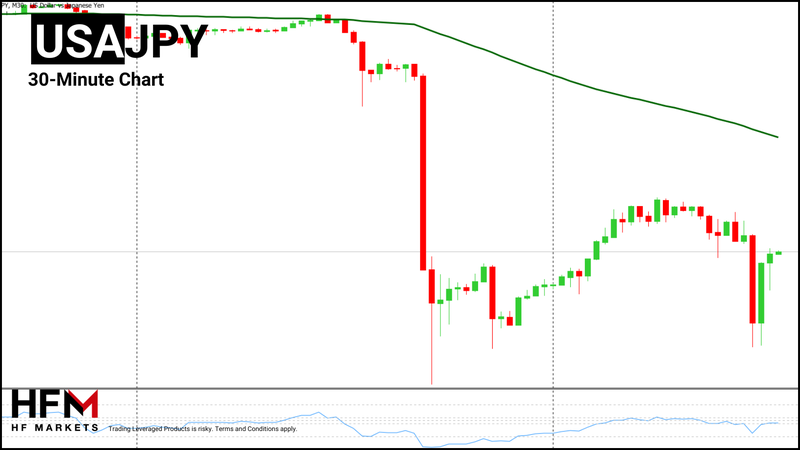
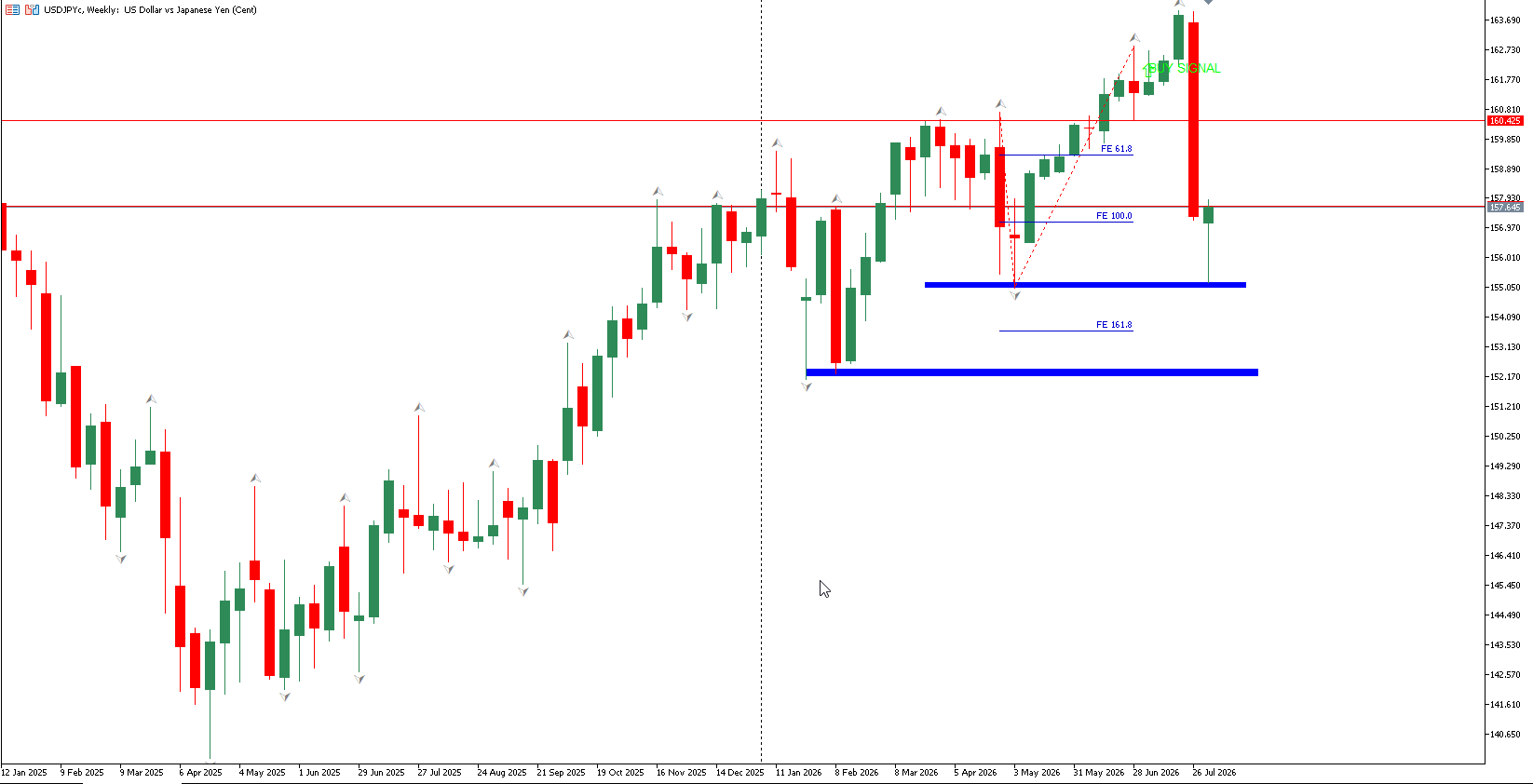
The Japanese yen strengthened after Finance Minister Satsuki Katayama indicated that the government intends to encourage the country’s large pension funds, including the Government Pension Investment Fund (GPIF), to increase allocations towards domestic financial assets.
Such a structural shift could generate long-term demand for Japanese government bonds, equities, and the yen itself.
Following the announcement:
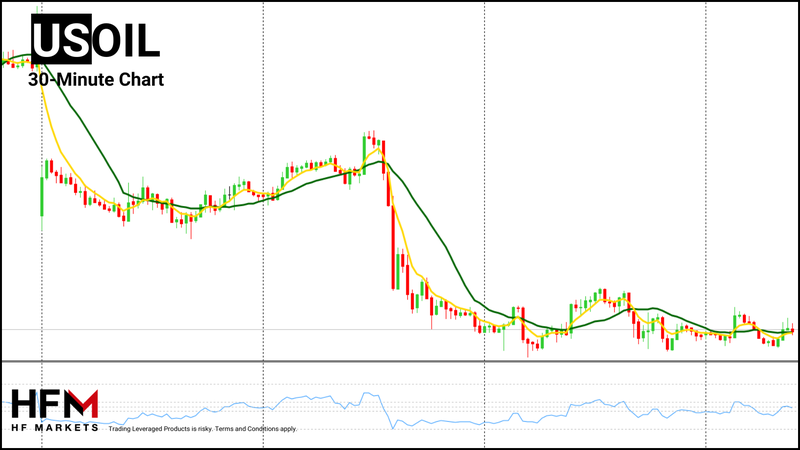
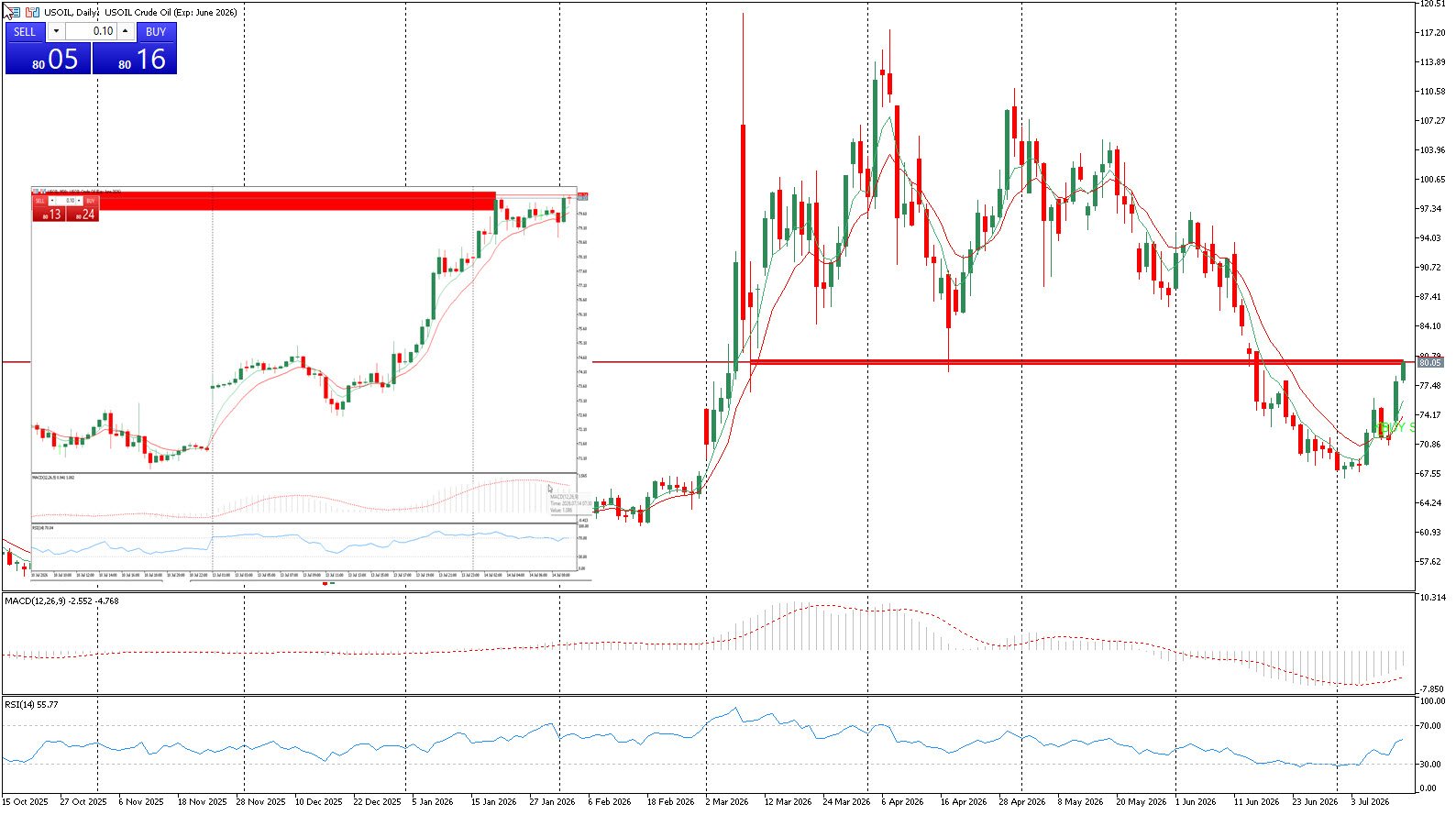
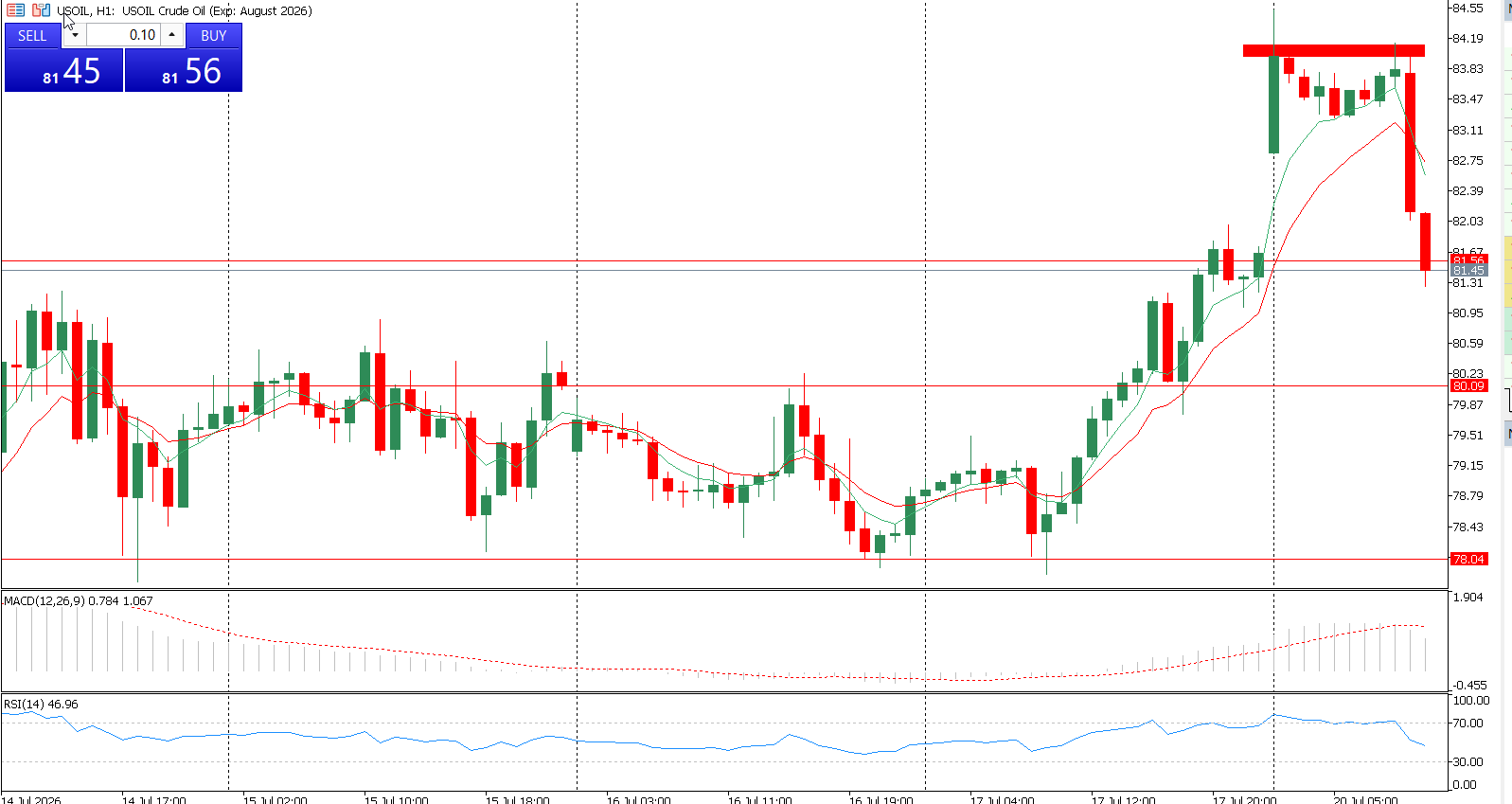
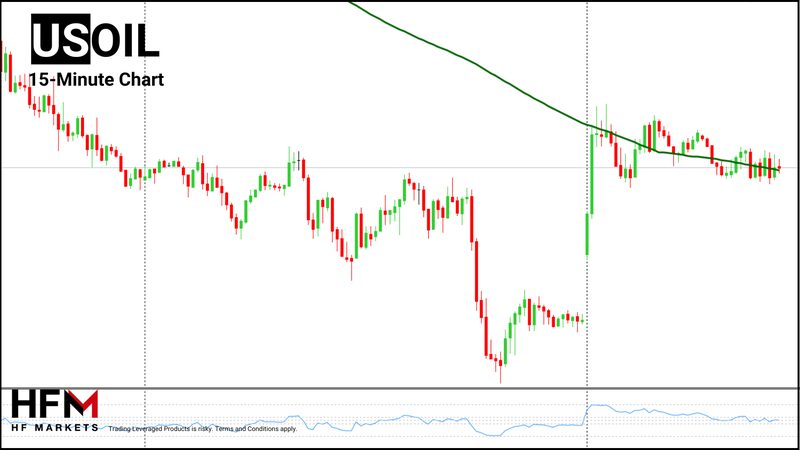
Crude oil prices remained elevated, with Brent crude trading near $76.50 per barrel and WTI above $72, leaving both benchmarks on track for strong weekly gains.
Although markets have become somewhat less concerned about an immediate escalation of the US-Iran conflict, geopolitical risk premiums remain firmly embedded in oil prices.
The biggest concern continues to be shipping through the Strait of Hormuz, which normally carries roughly 20% of global oil and LNG supplies. Tanker traffic has slowed significantly following renewed military activity in the region, increasing fears of potential supply disruptions.
However, investors also drew reassurance from ongoing diplomatic discussions between Washington and Tehran, as well as comments suggesting that neither side currently appears willing to target major energy infrastructure directly.
For now, markets are balancing elevated geopolitical risks against hopes that diplomatic efforts will prevent a wider regional conflict.
US Treasury prices continued to rise, pushing the benchmark 10-year yield slightly lower to around 4.53%.
The move reflects a modest shift towards safer assets as investors continue monitoring developments in the Middle East while also preparing for the start of the US earnings season.
A weaker US dollar also supported broader market sentiment, extending its second consecutive weekly decline against major currencies.
Fresh inflation data from Germany and France offered encouraging news for the European Central Bank.
Germany’s annual inflation rate was confirmed at 2.3% in June, down from 2.6% in May. Although energy prices remain one of the largest contributors to inflation, their pace of increase continues to moderate.
France delivered an even softer report, with annual inflation falling to 1.8%, while core inflation slowed to 1.0%. Lower energy costs, easing food prices, and weaker services inflation all contributed to the decline.
The latest figures reinforce expectations that the ECB is likely to keep interest rates unchanged during the summer while monitoring whether inflation continues moving sustainably towards its target.
Several major technology companies also made headlines:
Looking ahead, several themes are likely to dominate financial markets:
Always trade with strict risk management. Your capital is the single most important aspect of your trading business.
Please note that times displayed based on local time zone and are from time of writing this report.
Click HERE to access the full HFM Economic calendar.
Want to learn to trade and analyse the markets? Join our webinars and get analysis and trading ideas combined with better understanding of how markets work. Click HERE to register for FREE!
Click HERE to READ more Market news.
Andria Pichidi
HFMarkets
Disclaimer: This material is provided as a general marketing communication for information purposes only and does not constitute an independent investment research. Nothing in this communication contains, or should be considered as containing, an investment advice or an investment recommendation or a solicitation for the purpose of buying or selling of any financial instrument. All information provided is gathered from reputable sources and any information containing an indication of past performance is not a guarantee or reliable indicator of future performance. Users acknowledge that any investment in Leveraged Products is characterized by a certain degree of uncertainty and that any investment of this nature involves a high level of risk for which the users are solely responsible and liable. We assume no liability for any loss arising from any investment made based on the information provided in this communication. This communication must not be reproduced or further distributed without our prior written permission.
Market Wrap: AI Stocks Rally While Oil, Yen and Inflation Stay in Focus.
Global financial markets ended the week on a stronger footing as investors shifted their attention back to artificial intelligence (AI) opportunities, helping technology stocks recover despite ongoing geopolitical tensions in the Middle East. While concerns surrounding the US-Iran conflict continue to influence energy markets, traders are once again focusing on corporate earnings, AI investment, and central bank expectations.
Technology shares staged a strong rebound after several sessions of volatility, as investors viewed the recent sell-off as a buying opportunity rather than the start of a broader correction.
The renewed optimism followed announcements of significant AI-related investment. Micron Technology revealed plans to increase its US manufacturing investment to $250 billion, reinforcing expectations that demand for AI infrastructure and advanced memory chips will remain strong for years to come.
At the same time, South Korea’s SK Hynix attracted significant investor attention ahead of its NASDAQ listing after raising $26.5 billion through an American Depositary Share offering. Together with Samsung Electronics, the company is expected to play a central role in South Korea's ambitious semiconductor expansion programme.
These developments helped lift semiconductor stocks across Asia and supported gains in global technology indices, with investors increasingly positioning ahead of the upcoming earnings season.
Asian equities broadly advanced on Friday, driven primarily by strength in semiconductor and AI-related companies.
Japan's Nikkei 225 gained around 2%, while South Korea's KOSPI surged more than 4%, recovering from recent losses. Hong Kong’s Hang Seng Index also posted solid gains, putting it on track for one of its strongest weekly performances in over a year.
The rally reflects improving confidence that AI-related spending remains one of the strongest long-term investment themes despite elevated valuations.
One of the week’s most notable developments came from Japan’s currency and bond markets.
The Japanese yen strengthened after Finance Minister Satsuki Katayama indicated that the government intends to encourage the country’s large pension funds, including the Government Pension Investment Fund (GPIF), to increase allocations towards domestic financial assets.
Such a structural shift could generate long-term demand for Japanese government bonds, equities, and the yen itself.
Following the announcement:
- The yen appreciated against the US dollar.
- Japanese government bond yields eased from multi-decade highs.
- Investors viewed the comments as more supportive for the currency than previous intervention efforts.
Crude oil prices remained elevated, with Brent crude trading near $76.50 per barrel and WTI above $72, leaving both benchmarks on track for strong weekly gains.
Although markets have become somewhat less concerned about an immediate escalation of the US-Iran conflict, geopolitical risk premiums remain firmly embedded in oil prices.
The biggest concern continues to be shipping through the Strait of Hormuz, which normally carries roughly 20% of global oil and LNG supplies. Tanker traffic has slowed significantly following renewed military activity in the region, increasing fears of potential supply disruptions.
However, investors also drew reassurance from ongoing diplomatic discussions between Washington and Tehran, as well as comments suggesting that neither side currently appears willing to target major energy infrastructure directly.
For now, markets are balancing elevated geopolitical risks against hopes that diplomatic efforts will prevent a wider regional conflict.
US Treasury prices continued to rise, pushing the benchmark 10-year yield slightly lower to around 4.53%.
The move reflects a modest shift towards safer assets as investors continue monitoring developments in the Middle East while also preparing for the start of the US earnings season.
A weaker US dollar also supported broader market sentiment, extending its second consecutive weekly decline against major currencies.
Fresh inflation data from Germany and France offered encouraging news for the European Central Bank.
Germany’s annual inflation rate was confirmed at 2.3% in June, down from 2.6% in May. Although energy prices remain one of the largest contributors to inflation, their pace of increase continues to moderate.
France delivered an even softer report, with annual inflation falling to 1.8%, while core inflation slowed to 1.0%. Lower energy costs, easing food prices, and weaker services inflation all contributed to the decline.
The latest figures reinforce expectations that the ECB is likely to keep interest rates unchanged during the summer while monitoring whether inflation continues moving sustainably towards its target.
Several major technology companies also made headlines:
- Meta introduced a paid version of its most advanced AI model for developers, creating a new revenue stream from artificial intelligence services.
- OpenAI announced leadership changes after executive Fidji Simo stepped back from her operational role following medical leave.
- Oracle was downgraded by S&P Global Ratings to the lowest investment-grade rating as heavy AI-related spending increases financial pressure.
- Starbucks revealed it is developing more internal AI tools that could eventually replace some third-party enterprise software.
Looking ahead, several themes are likely to dominate financial markets:
- US corporate earnings, particularly from major technology companies, will determine whether AI-driven valuations remain justified.
- Any developments surrounding US-Iran negotiations could quickly influence oil prices, inflation expectations, and risk sentiment.
- Continued movements in the Japanese yen may provide clues about future capital flows following Japan’s pension reform discussions.
- Investors will also closely monitor upcoming economic data for further signals on the timing of future interest rate decisions from both the Federal Reserve and the European Central Bank.
Always trade with strict risk management. Your capital is the single most important aspect of your trading business.
Please note that times displayed based on local time zone and are from time of writing this report.
Click HERE to access the full HFM Economic calendar.
Want to learn to trade and analyse the markets? Join our webinars and get analysis and trading ideas combined with better understanding of how markets work. Click HERE to register for FREE!
Click HERE to READ more Market news.
Andria Pichidi
HFMarkets
Disclaimer: This material is provided as a general marketing communication for information purposes only and does not constitute an independent investment research. Nothing in this communication contains, or should be considered as containing, an investment advice or an investment recommendation or a solicitation for the purpose of buying or selling of any financial instrument. All information provided is gathered from reputable sources and any information containing an indication of past performance is not a guarantee or reliable indicator of future performance. Users acknowledge that any investment in Leveraged Products is characterized by a certain degree of uncertainty and that any investment of this nature involves a high level of risk for which the users are solely responsible and liable. We assume no liability for any loss arising from any investment made based on the information provided in this communication. This communication must not be reproduced or further distributed without our prior written permission.
![2026-07-15 09_41_45-41023261_ HFMarketsSV-Demo Server - HF Markets (SV) Ltd. - [US100.F,H4]](https://www.hfm.com/api/get-analysis-image/?file=images/2026-07-15_09_41_45-41023261__HFMarketsSV-Demo_.original.png "2026-07-15 09_41_45-41023261_ HFMarketsSV-Demo Server - HF Markets (SV) Ltd. - [US100.F,H4]")
![2026-07-17 09_21_42-48132278 - HFMarketsGlobal-Demo - Netting - HF Markets (SV) Ltd. - [JP225.F,H4]](https://www.hfm.com/api/get-analysis-image/?file=images/2026-07-17_09_21_42-48132278_-_HFMarketsGlobal-.original.png "2026-07-17 09_21_42-48132278 - HFMarketsGlobal-Demo - Netting - HF Markets (SV) Ltd. - [JP225.F,H4]")
![2026-07-22 10_30_31-48132278 - HFMarketsGlobal-Demo - Netting - HF Markets (SV) Ltd. - [XAUUSD,H4]](https://www.hfm.com/api/get-analysis-image/?file=images/2026-07-22_10_30_31-48132278_-_HFMarketsGlobal-.original.png "2026-07-22 10_30_31-48132278 - HFMarketsGlobal-Demo - Netting - HF Markets (SV) Ltd. - [XAUUSD,H4]")
![2026-07-22 10_29_10-48132278 - HFMarketsGlobal-Demo - Netting - HF Markets (SV) Ltd. - [USDJPYc,H4]](https://www.hfm.com/api/get-analysis-image/?file=images/2026-07-22_10_29_10-48132278_-_HFMarketsGlobal-.original.png "2026-07-22 10_29_10-48132278 - HFMarketsGlobal-Demo - Netting - HF Markets (SV) Ltd. - [USDJPYc,H4]")
![2026-07-23 11_33_16-48132278 - HFMarketsGlobal-Demo - Netting - HF Markets (SV) Ltd. - [USOIL,Daily]](https://www.hfm.com/api/get-analysis-image/?file=images/2026-07-23_11_33_16-48132278_-_HFMarketsGlobal-.original.png "2026-07-23 11_33_16-48132278 - HFMarketsGlobal-Demo - Netting - HF Markets (SV) Ltd. - [USOIL,Daily]")
![2026-08-03 10_24_33-48132278 - HFMarketsGlobal-Demo - Netting - HF Markets (SV) Ltd. - [EURJPYc,H4]](https://www.hfm.com/api/get-analysis-image/?file=images/2026-08-03_10_24_33-48132278_-_HFMarketsGlobal-.original.png "2026-08-03 10_24_33-48132278 - HFMarketsGlobal-Demo - Netting - HF Markets (SV) Ltd. - [EURJPYc,H4]")
![2026-08-03 10_25_20-48132278 - HFMarketsGlobal-Demo - Netting - HF Markets (SV) Ltd. - [USOIL,M30]](https://www.hfm.com/api/get-analysis-image/?file=images/2026-08-03_10_25_20-48132278_-_HFMarketsGlobal-.original.png "2026-08-03 10_25_20-48132278 - HFMarketsGlobal-Demo - Netting - HF Markets (SV) Ltd. - [USOIL,M30]")
![2026-08-04 10_13_14-48132278 - HFMarketsGlobal-Demo - Netting - HF Markets (SV) Ltd. - [US500.F,H4]](https://www.hfm.com/api/get-analysis-image/?file=images/2026-08-04_10_13_14-48132278_-_HFMarketsGlobal-.original.png "2026-08-04 10_13_14-48132278 - HFMarketsGlobal-Demo - Netting - HF Markets (SV) Ltd. - [US500.F,H4]")
![2026-08-05 10_38_26-48132278 - HFMarketsGlobal-Demo - Netting - HF Markets (SV) Ltd. - [XAUUSD,H4]](https://www.hfm.com/api/get-analysis-image/?file=images/2026-08-05_10_38_26-48132278_-_HFMarketsGlobal-.original.png "2026-08-05 10_38_26-48132278 - HFMarketsGlobal-Demo - Netting - HF Markets (SV) Ltd. - [XAUUSD,H4]")