
HFM
Well-known member
Date: 4th March 2026.
Asian Markets Plunge as Iran War Sparks Energy Shock Fears.

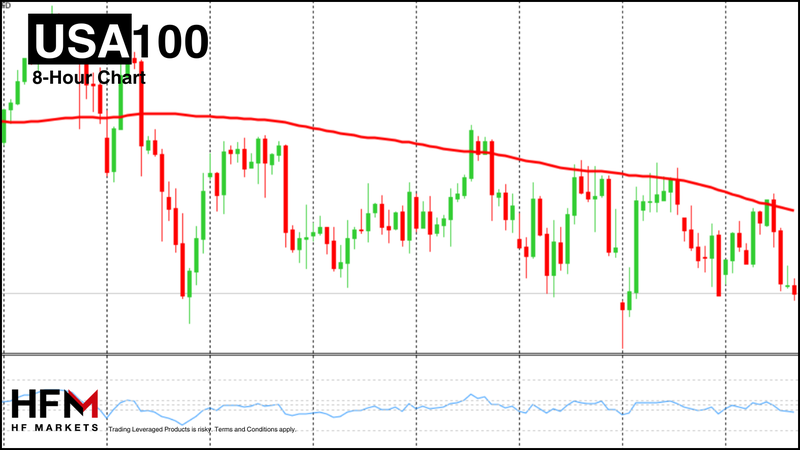
Asian equities suffered their worst selloff in nearly a year, with South Korea experiencing its largest crash on record, as escalating war between the US, Israel, and Iran triggered panic across global markets.
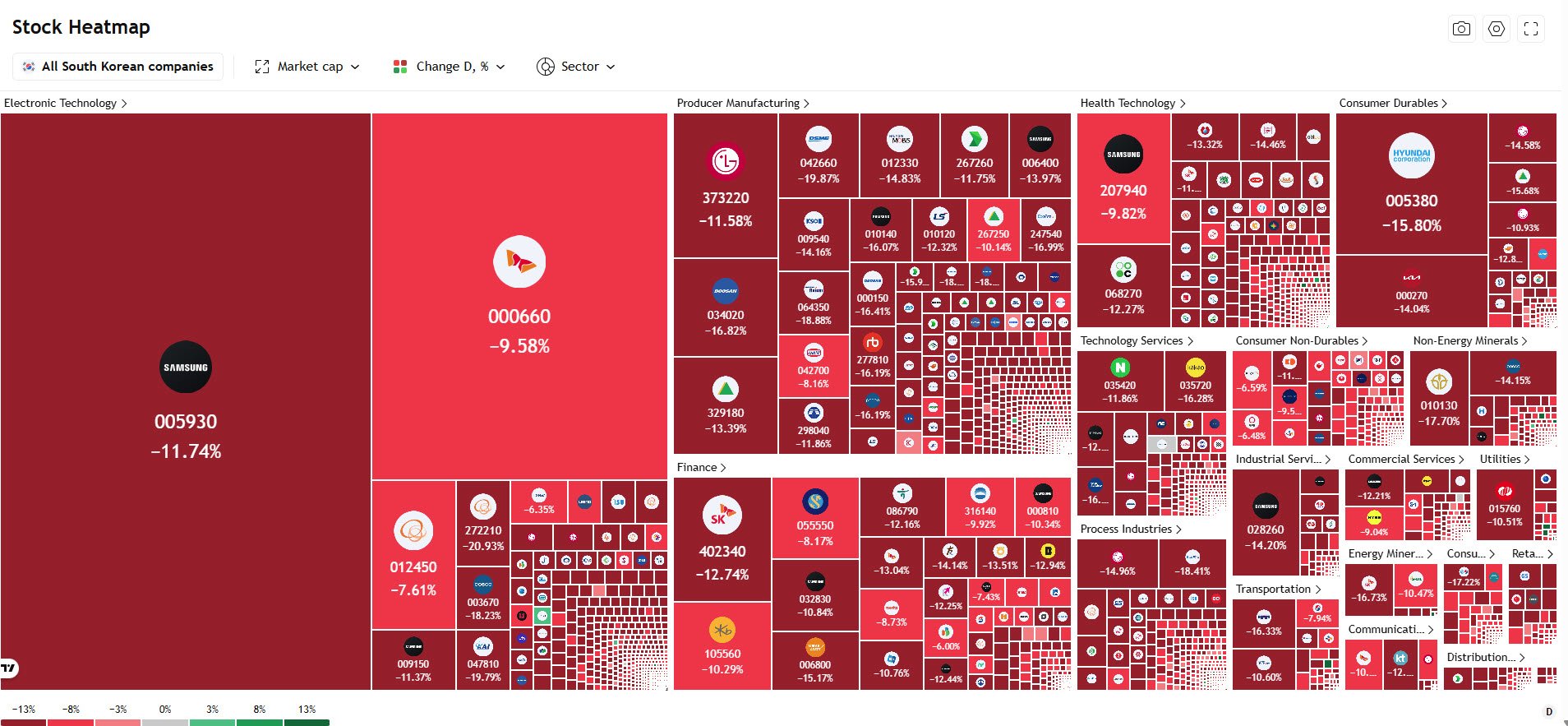
The MSCI Asia Pacific Index fell as much as 4.5%, while South Korea’s Kospi plunged 12.1%, its sharpest decline in history. The collapse marks a dramatic reversal for what had been one of the world’s strongest-performing markets in 2025.
Just weeks ago, the Kospi was celebrated as a global AI-driven outperformer. Heavyweight chipmakers such as Samsung Electronics and SK Hynix had powered gains on optimism around artificial intelligence demand.
That narrative unraveled rapidly:
The selloff spread quickly:
According to strategists, Asia’s acute exposure to Middle Eastern oil flows makes the region especially sensitive to energy price spikes. Rising crude, a stronger US dollar, and geopolitical uncertainty have created what one analyst called a “toxic cocktail” for risk assets.
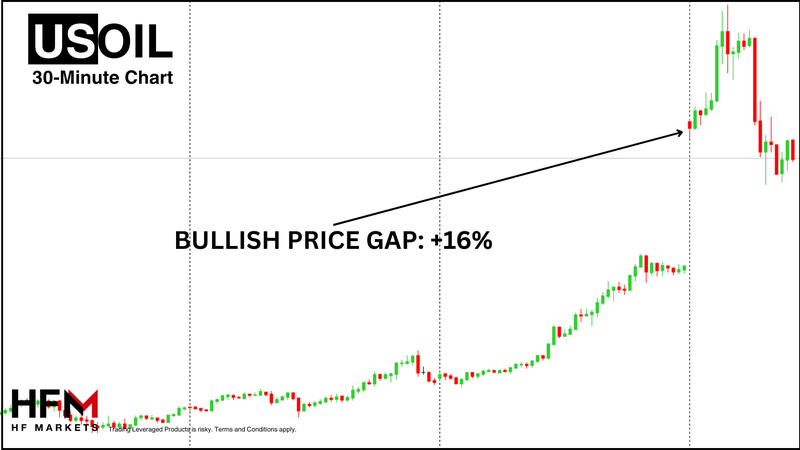
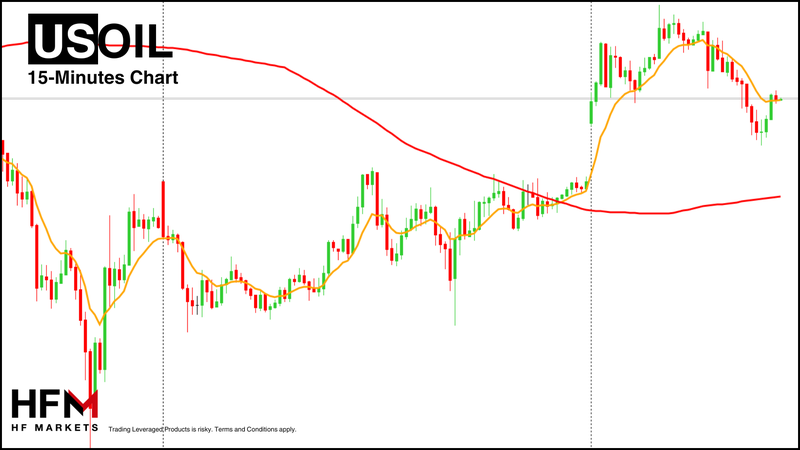
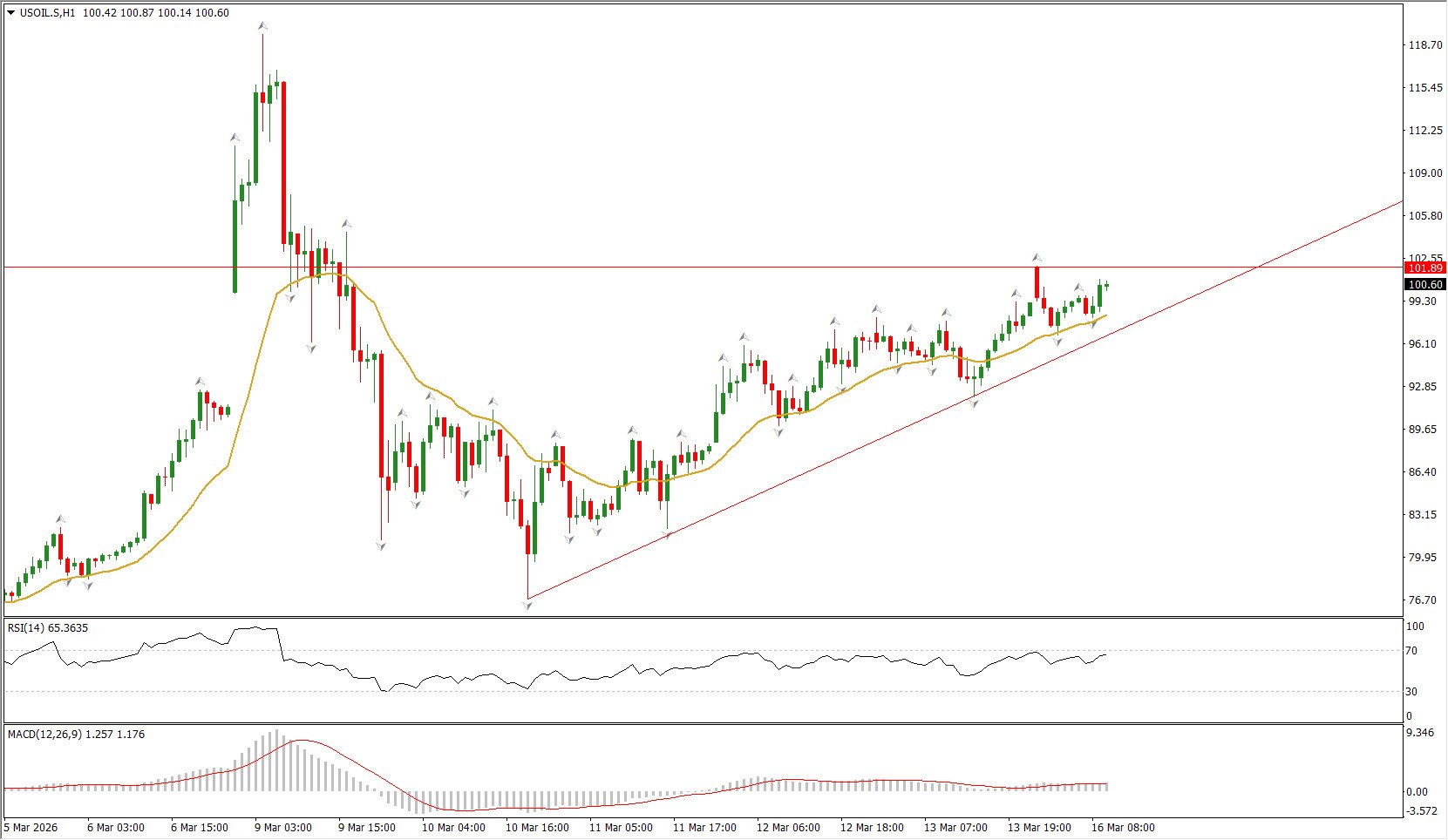
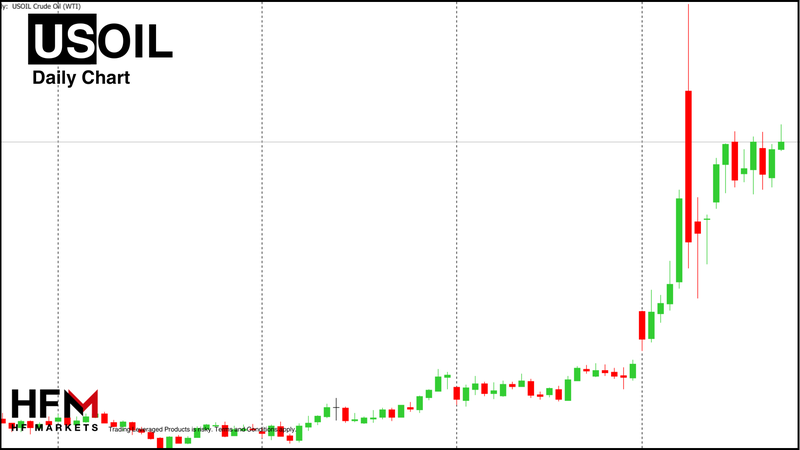
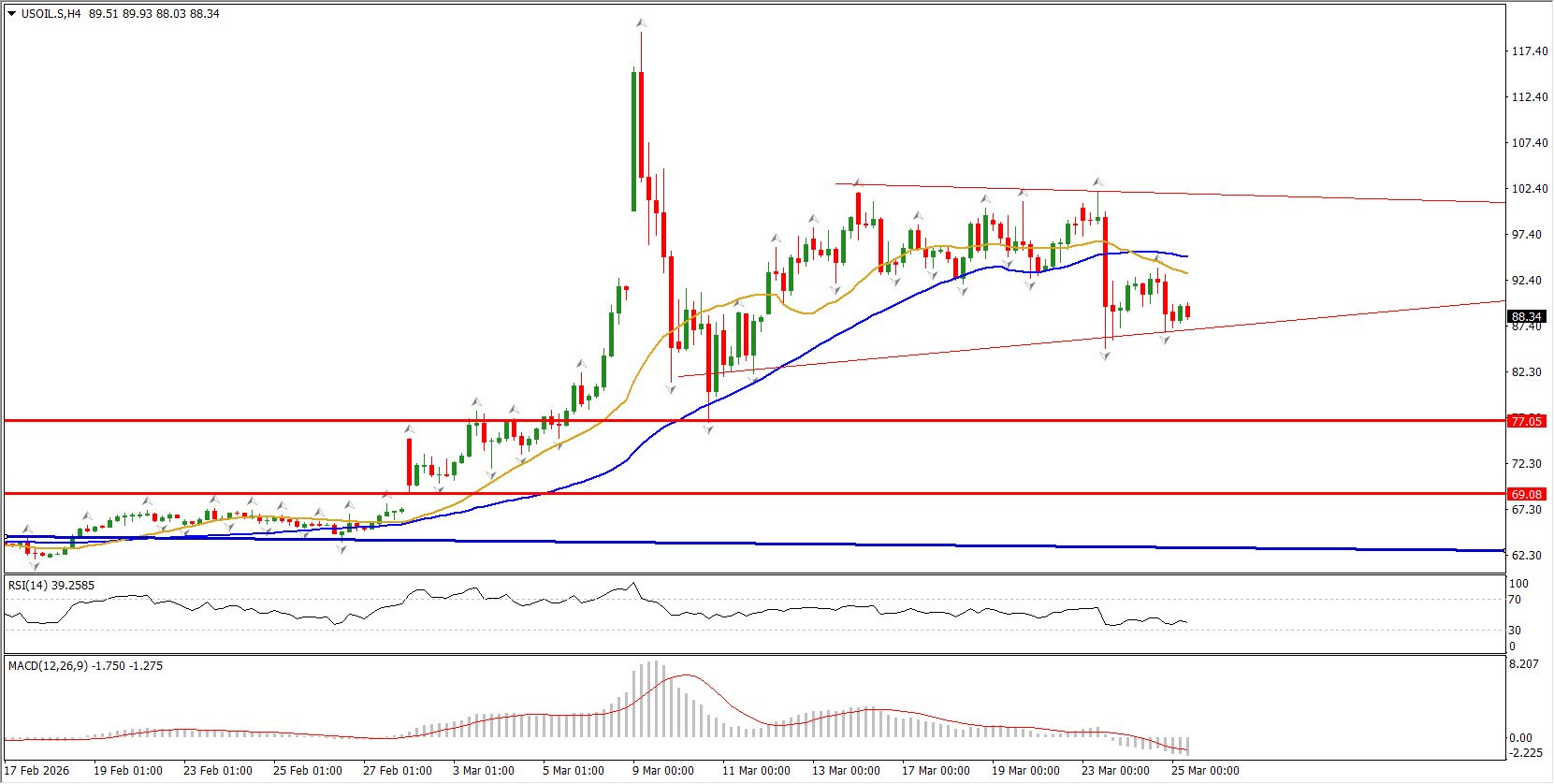
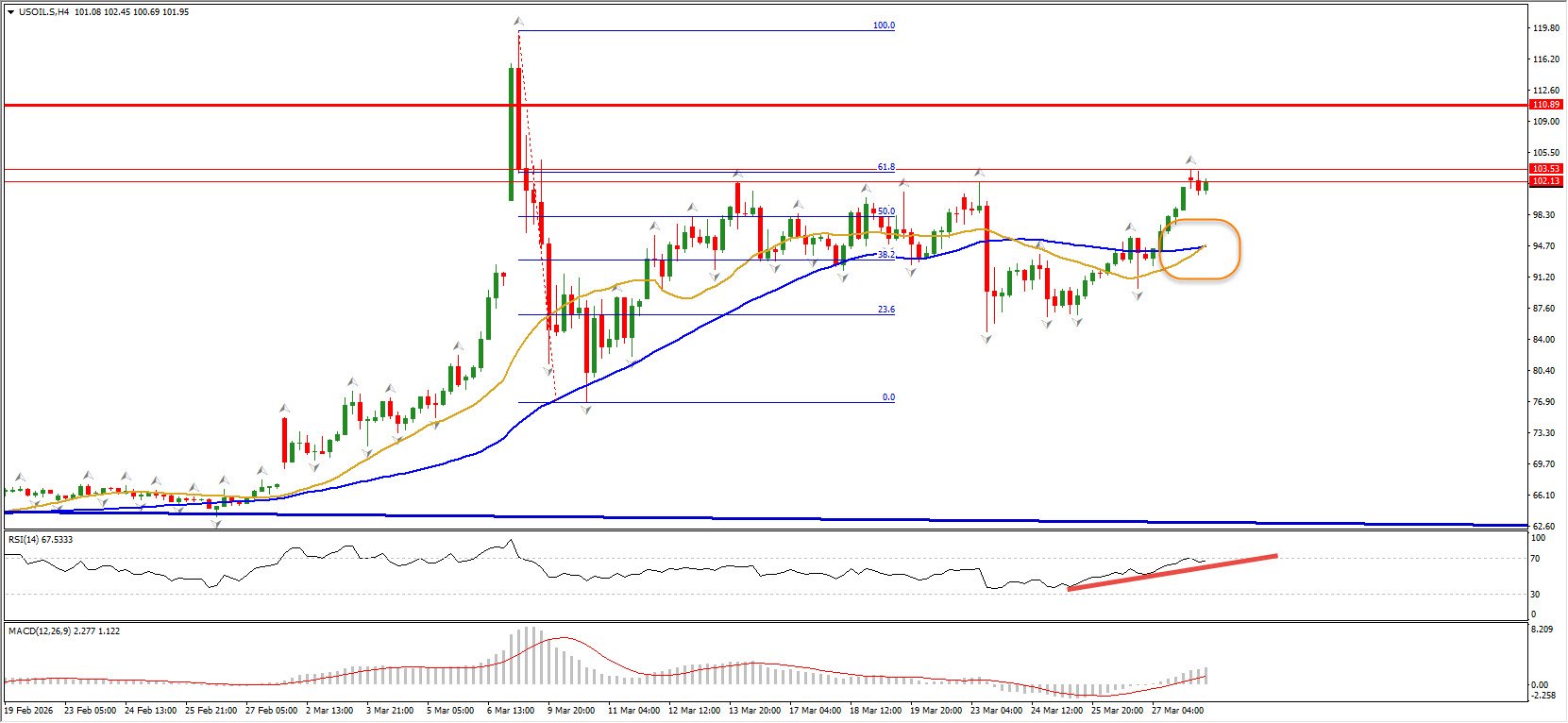
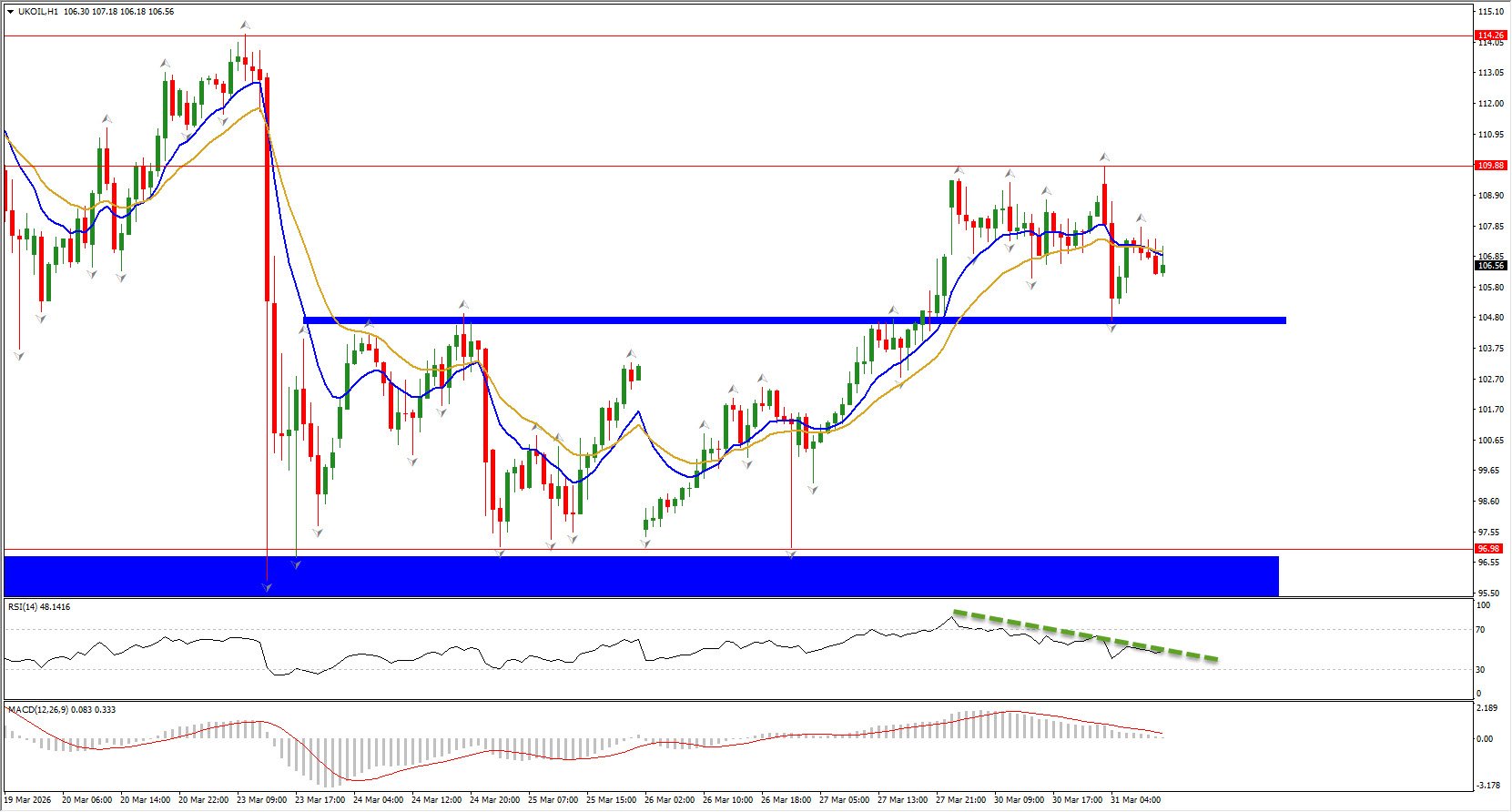
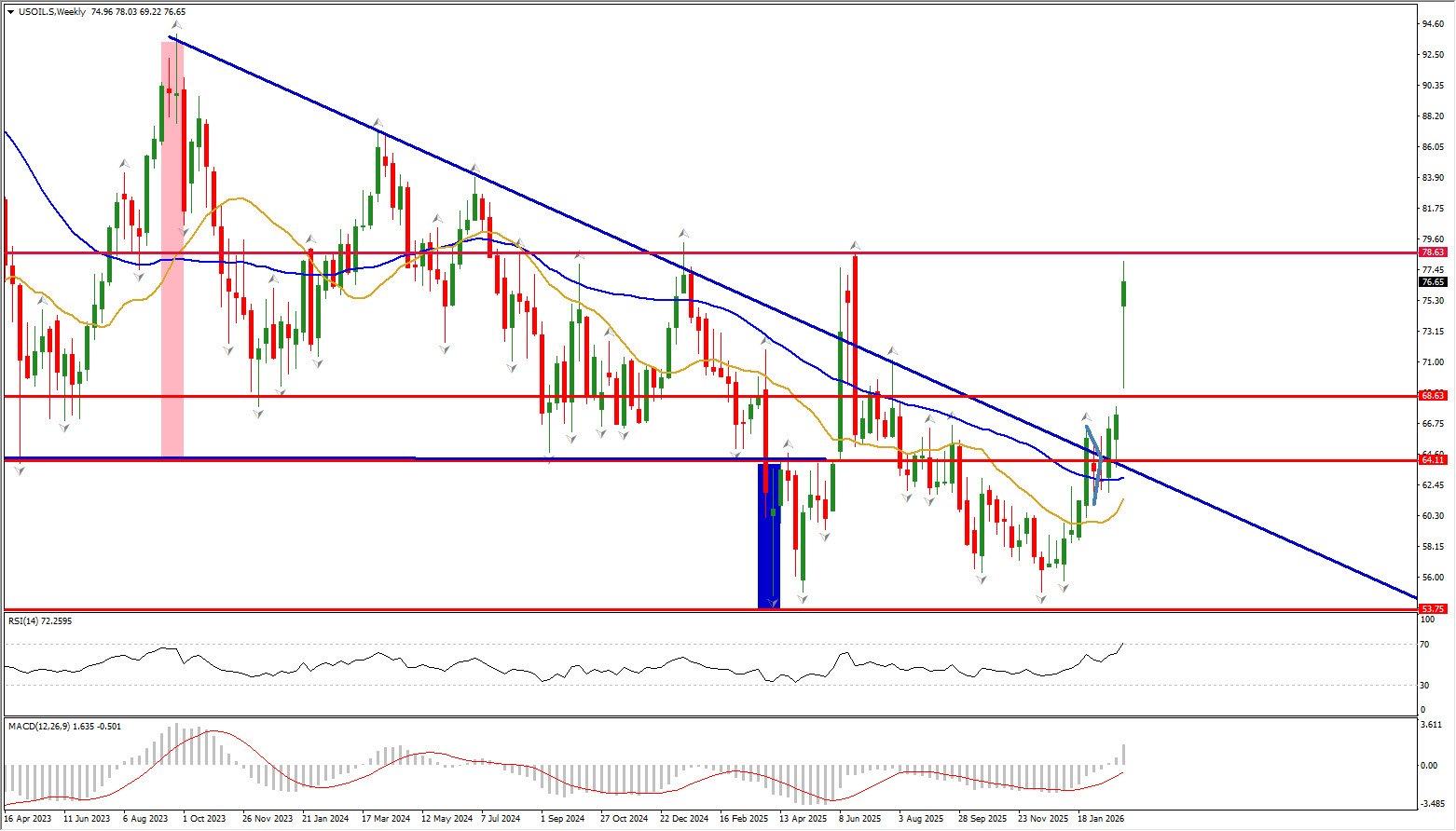
Oil prices extended gains as attacks continued across the region. Brent crude climbed above $82 per barrel after rallying roughly 12% over two days, the largest surge since 2020. West Texas Intermediate hovered near $76. The rapid move reflects fears of supply disruptions after Iraq began shutting major oil fields, and Saudi storage facilities filled rapidly.
The effective closure of Hormuz has severely disrupted tanker traffic. Insurance costs for shipping have surged, potentially adding $5–$15 per barrel in transport-related expenses.
President Donald Trump announced that the US would provide political risk insurance and, if necessary, naval escorts to tankers transiting the strait. However, analysts caution that naval escorts may themselves become targets, limiting the effectiveness of the plan.
Brent’s prompt spread widened to $3.38 in backwardation, a strong signal of immediate supply tightness.
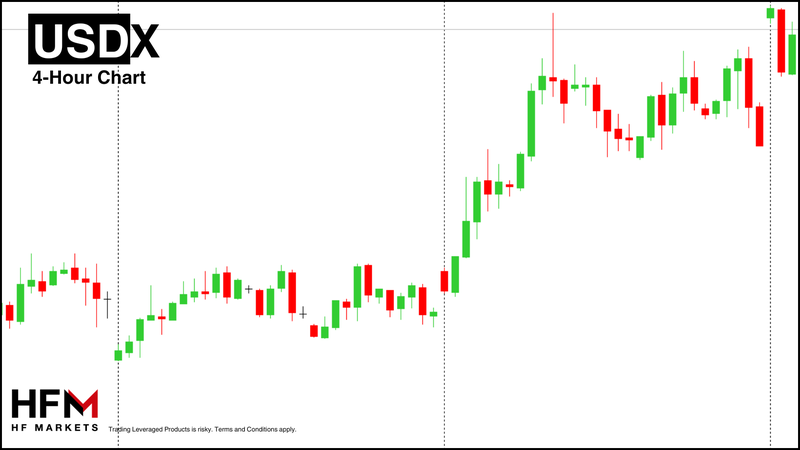
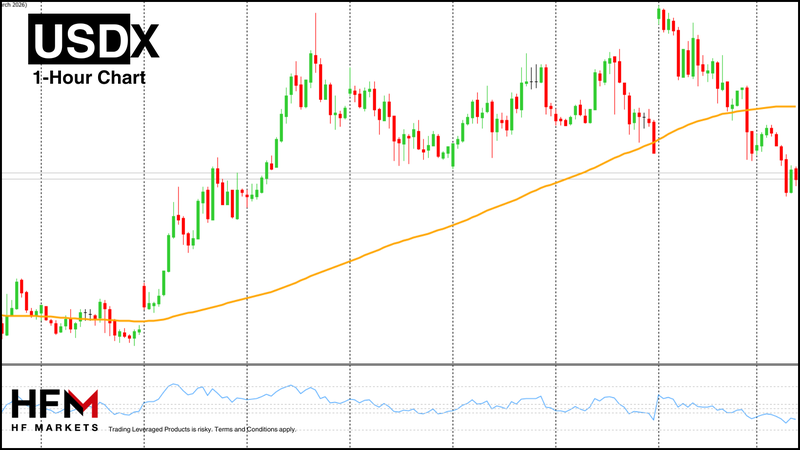
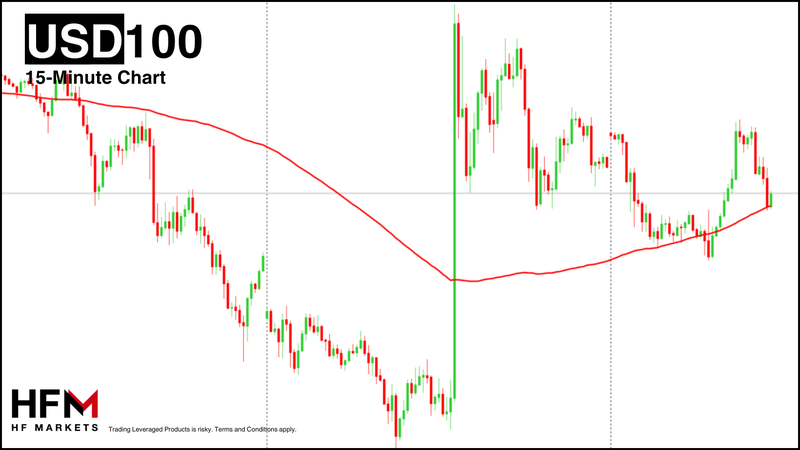
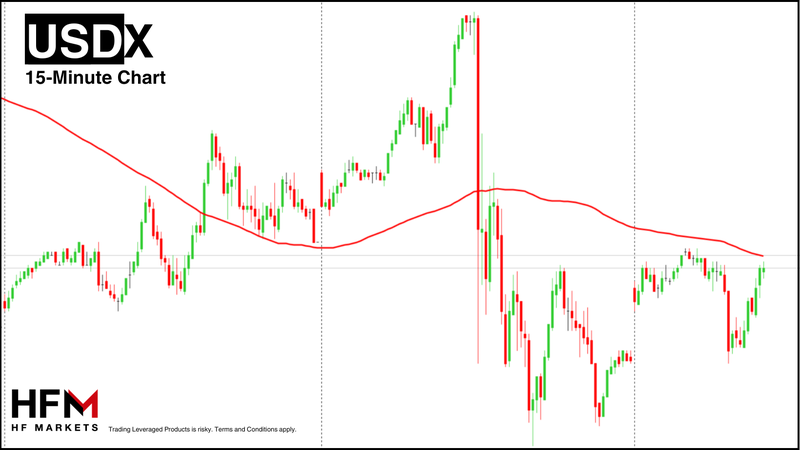
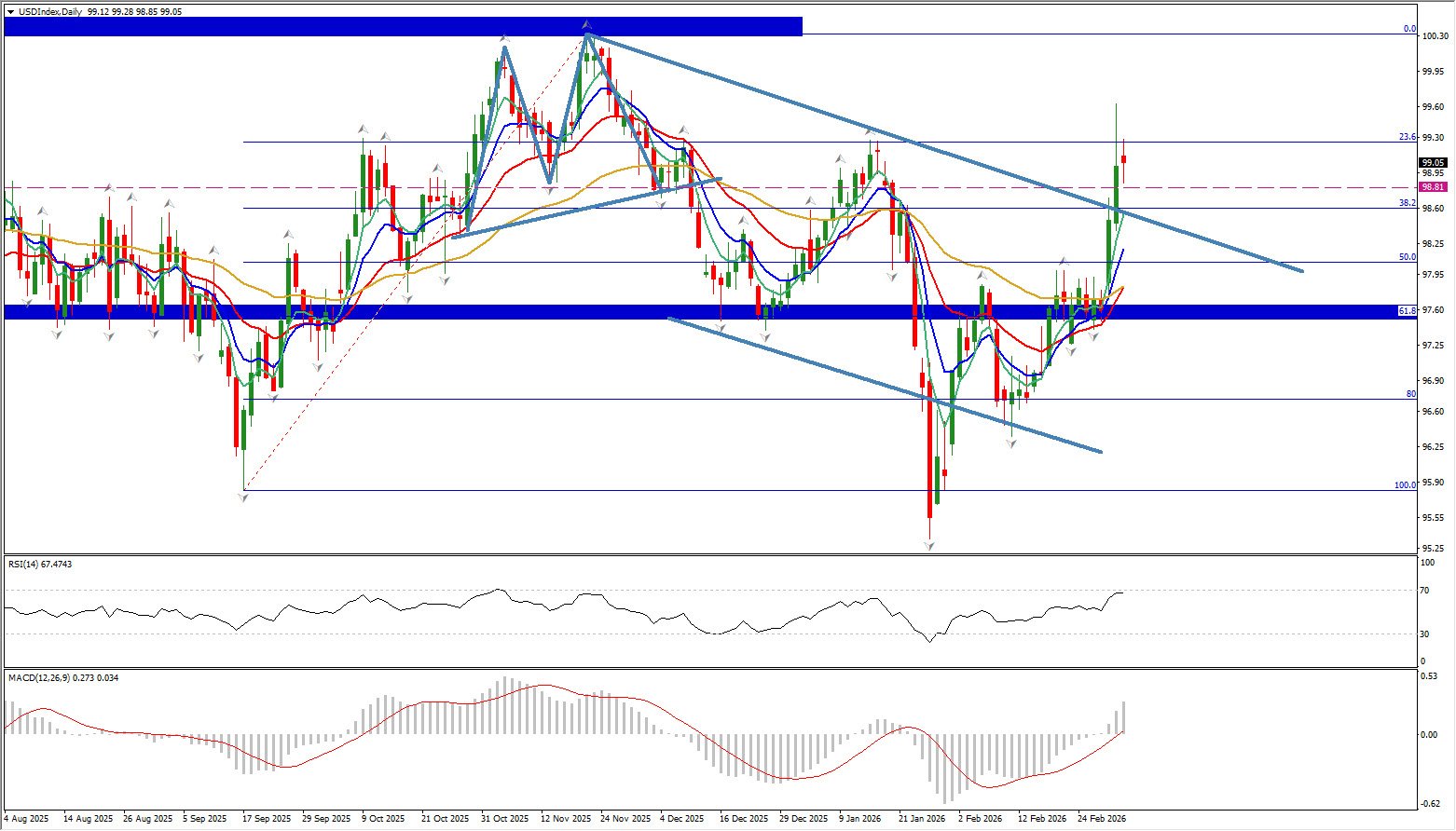
The Bloomberg Dollar Spot Index posted its strongest two-day gain in nearly a year before stabilizing.
Asian currencies fell to their weakest levels since January, though China intervened to anchor the yuan. A stronger dollar compounds stress for Asian economies by:
Markets previously relied on what traders dubbed the “TACO trade” , short for “Trump Always Chickens Out”, a belief that sharp market declines would prompt policy reversals.
This conflict, however, is military in nature and carries unpredictable escalation risks beyond traditional policy maneuvering. Investors cannot price a clear endgame, raising fears of a prolonged disruption to global energy flows.
Inflation Risk Returns: Higher oil prices threaten to reintroduce inflation pressures globally. In the US, gasoline prices have already risen to $3.11 per gallon on average. A sustained energy shock could complicate plans by the Federal Reserve to cut rates in 2026, potentially keeping borrowing costs elevated and pressuring equities further.
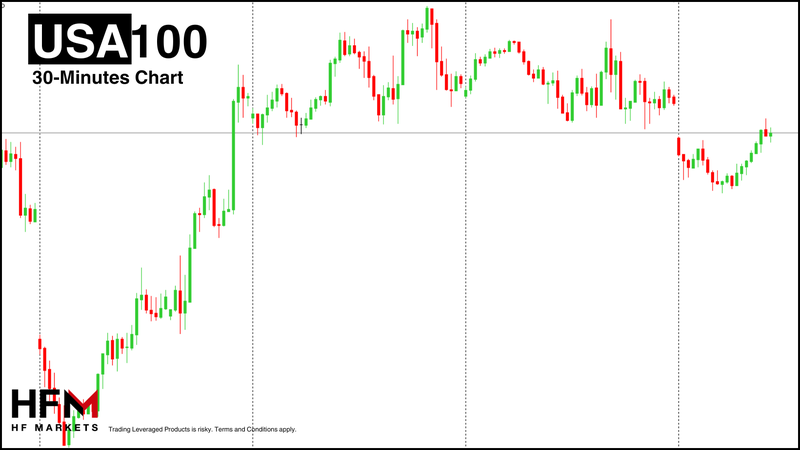
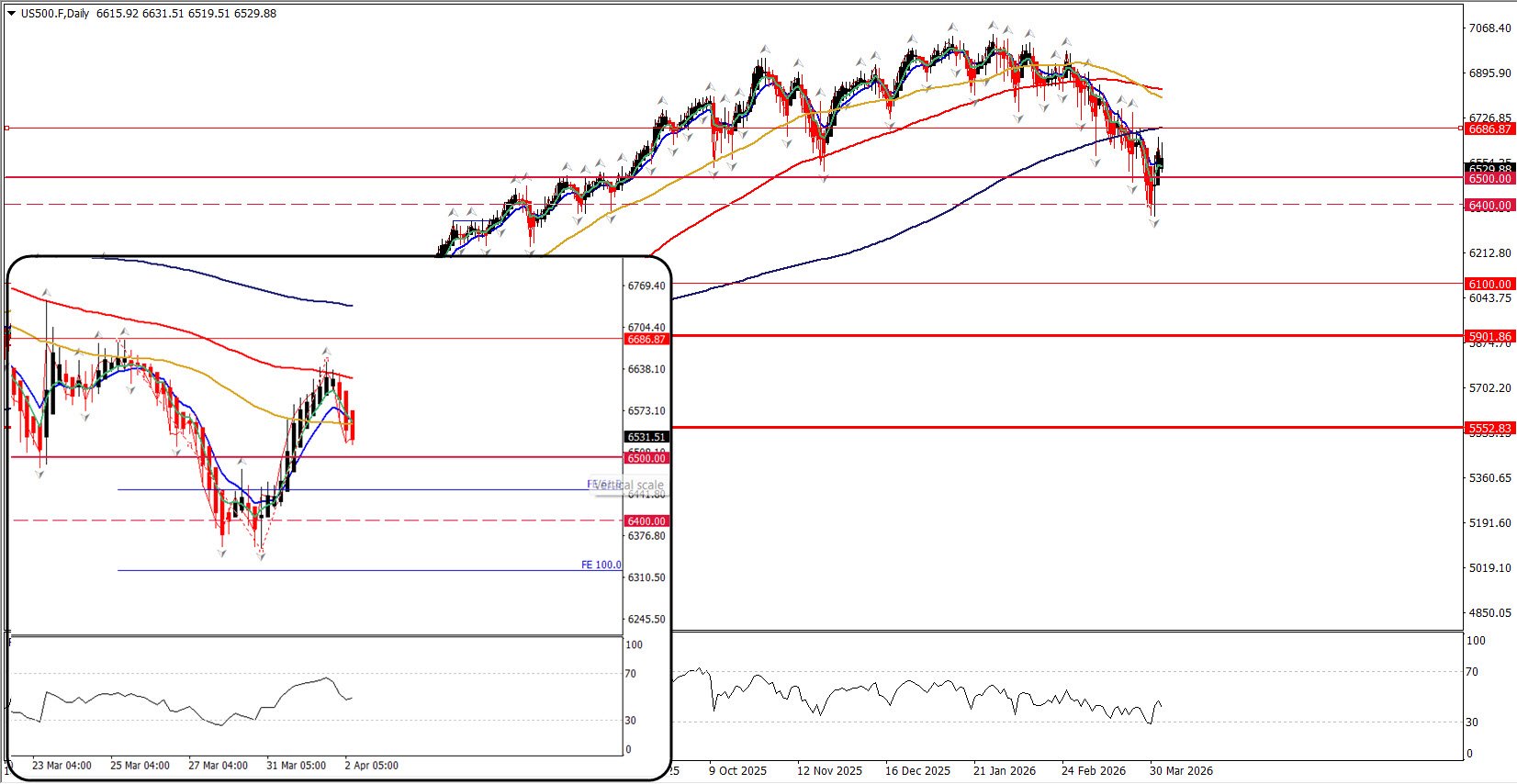
Despite the sharp selloff, futures point to only modest weakness in the US and potential stabilization in Europe, suggesting for now the shock remains concentrated in Asia. Importantly, Asian stocks remain up approximately 4.7% year-to-date after a 25% surge in 2025, meaning some of the move reflects profit-taking from extended positioning.
However, markets remain highly headline-driven. If oil continues to climb or Hormuz disruptions worsen, further downside in Asia appears likely.
For now, traders are watching three key indicators:
Always trade with strict risk management. Your capital is the single most important aspect of your trading business.
Please note that times displayed based on local time zone and are from time of writing this report.
Click HERE to access the full HFM Economic calendar.
Want to learn to trade and analyse the markets? Join our webinars and get analysis and trading ideas combined with better understanding of how markets work. Click HERE to register for FREE!
Click HERE to READ more Market news.
Andria Pichidi
HFMarkets
Disclaimer: This material is provided as a general marketing communication for information purposes only and does not constitute an independent investment research. Nothing in this communication contains, or should be considered as containing, an investment advice or an investment recommendation or a solicitation for the purpose of buying or selling of any financial instrument. All information provided is gathered from reputable sources and any information containing an indication of past performance is not a guarantee or reliable indicator of future performance. Users acknowledge that any investment in Leveraged Products is characterized by a certain degree of uncertainty and that any investment of this nature involves a high level of risk for which the users are solely responsible and liable. We assume no liability for any loss arising from any investment made based on the information provided in this communication. This communication must not be reproduced or further distributed without our prior written permission.
Asian Markets Plunge as Iran War Sparks Energy Shock Fears.
Asian equities suffered their worst selloff in nearly a year, with South Korea experiencing its largest crash on record, as escalating war between the US, Israel, and Iran triggered panic across global markets.
The MSCI Asia Pacific Index fell as much as 4.5%, while South Korea’s Kospi plunged 12.1%, its sharpest decline in history. The collapse marks a dramatic reversal for what had been one of the world’s strongest-performing markets in 2025.
Just weeks ago, the Kospi was celebrated as a global AI-driven outperformer. Heavyweight chipmakers such as Samsung Electronics and SK Hynix had powered gains on optimism around artificial intelligence demand.
That narrative unraveled rapidly:
- Samsung shares dropped 11.7%
- SK Hynix fell 9.6%
- The Korea Exchange triggered circuit breakers
- The tech-heavy Kosdaq tumbled nearly 14%
The selloff spread quickly:
- Nikkei 225 fell 3.9%
- Hang Seng Index dropped 2.9%
- Shanghai Composite Index declined 1.2%
- Taiwan’s Taiex slid 4.4%
- Bangkok stocks plunged 8%
According to strategists, Asia’s acute exposure to Middle Eastern oil flows makes the region especially sensitive to energy price spikes. Rising crude, a stronger US dollar, and geopolitical uncertainty have created what one analyst called a “toxic cocktail” for risk assets.
Oil prices extended gains as attacks continued across the region. Brent crude climbed above $82 per barrel after rallying roughly 12% over two days, the largest surge since 2020. West Texas Intermediate hovered near $76. The rapid move reflects fears of supply disruptions after Iraq began shutting major oil fields, and Saudi storage facilities filled rapidly.
The effective closure of Hormuz has severely disrupted tanker traffic. Insurance costs for shipping have surged, potentially adding $5–$15 per barrel in transport-related expenses.
President Donald Trump announced that the US would provide political risk insurance and, if necessary, naval escorts to tankers transiting the strait. However, analysts caution that naval escorts may themselves become targets, limiting the effectiveness of the plan.
Brent’s prompt spread widened to $3.38 in backwardation, a strong signal of immediate supply tightness.
The Bloomberg Dollar Spot Index posted its strongest two-day gain in nearly a year before stabilizing.
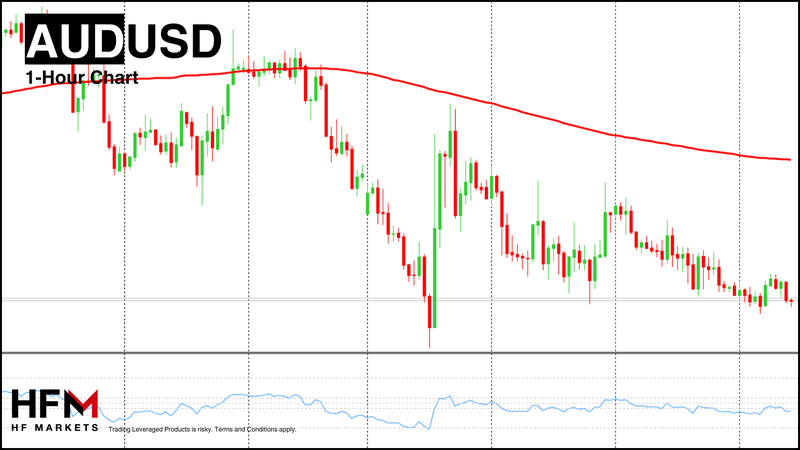
Asian currencies fell to their weakest levels since January, though China intervened to anchor the yuan. A stronger dollar compounds stress for Asian economies by:
- Raising import costs
- Increasing debt servicing pressure
- Tightening financial conditions
Markets previously relied on what traders dubbed the “TACO trade” , short for “Trump Always Chickens Out”, a belief that sharp market declines would prompt policy reversals.
This conflict, however, is military in nature and carries unpredictable escalation risks beyond traditional policy maneuvering. Investors cannot price a clear endgame, raising fears of a prolonged disruption to global energy flows.
Inflation Risk Returns: Higher oil prices threaten to reintroduce inflation pressures globally. In the US, gasoline prices have already risen to $3.11 per gallon on average. A sustained energy shock could complicate plans by the Federal Reserve to cut rates in 2026, potentially keeping borrowing costs elevated and pressuring equities further.
Despite the sharp selloff, futures point to only modest weakness in the US and potential stabilization in Europe, suggesting for now the shock remains concentrated in Asia. Importantly, Asian stocks remain up approximately 4.7% year-to-date after a 25% surge in 2025, meaning some of the move reflects profit-taking from extended positioning.
However, markets remain highly headline-driven. If oil continues to climb or Hormuz disruptions worsen, further downside in Asia appears likely.
For now, traders are watching three key indicators:
- Crude oil stability above $80
- Confirmation of tanker traffic resuming
- Dollar strength persistence
Always trade with strict risk management. Your capital is the single most important aspect of your trading business.
Please note that times displayed based on local time zone and are from time of writing this report.
Click HERE to access the full HFM Economic calendar.
Want to learn to trade and analyse the markets? Join our webinars and get analysis and trading ideas combined with better understanding of how markets work. Click HERE to register for FREE!
Click HERE to READ more Market news.
Andria Pichidi
HFMarkets
Disclaimer: This material is provided as a general marketing communication for information purposes only and does not constitute an independent investment research. Nothing in this communication contains, or should be considered as containing, an investment advice or an investment recommendation or a solicitation for the purpose of buying or selling of any financial instrument. All information provided is gathered from reputable sources and any information containing an indication of past performance is not a guarantee or reliable indicator of future performance. Users acknowledge that any investment in Leveraged Products is characterized by a certain degree of uncertainty and that any investment of this nature involves a high level of risk for which the users are solely responsible and liable. We assume no liability for any loss arising from any investment made based on the information provided in this communication. This communication must not be reproduced or further distributed without our prior written permission.