• Attention Forex Brokers, FX Companies & Hedge Funds.

    forum.forex is available for Acquisition

    Enquire

HFMarkets (hfm.com): New market analysis services.

Date: 4th March 2026.

Asian Markets Plunge as Iran War Sparks Energy Shock Fears.


Asian Markets Plunge as Iran War Sparks Energy Shock Fears

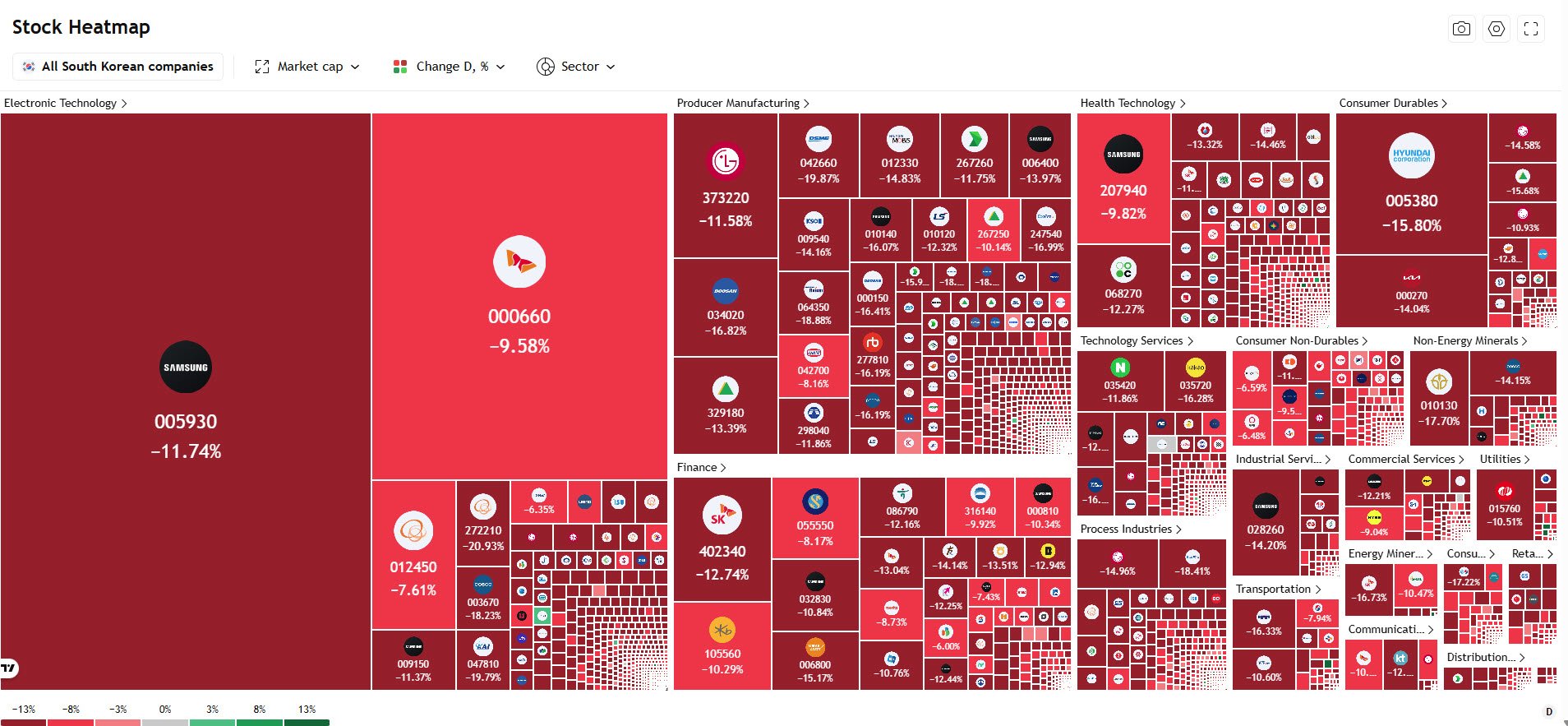
Asian equities suffered their worst selloff in nearly a year, with South Korea experiencing its largest crash on record, as escalating war between the US, Israel, and Iran triggered panic across global markets.

The MSCI Asia Pacific Index fell as much as 4.5%, while South Korea’s Kospi plunged 12.1%, its sharpest decline in history. The collapse marks a dramatic reversal for what had been one of the world’s strongest-performing markets in 2025.

Just weeks ago, the Kospi was celebrated as a global AI-driven outperformer. Heavyweight chipmakers such as Samsung Electronics and SK Hynix had powered gains on optimism around artificial intelligence demand.

That narrative unraveled rapidly:

  • Samsung shares dropped 11.7%
  • SK Hynix fell 9.6%
  • The Korea Exchange triggered circuit breakers
  • The tech-heavy Kosdaq tumbled nearly 14%
South Korea’s vulnerability stems from two critical exposures: heavy reliance on global trade and deep dependence on Middle Eastern energy imports. Roughly a fifth of the world’s oil passes through the Strait of Hormuz, a chokepoint now effectively disrupted by escalating hostilities.

The selloff spread quickly:

  • Nikkei 225 fell 3.9%
  • Hang Seng Index dropped 2.9%
  • Shanghai Composite Index declined 1.2%
  • Taiwan’s Taiex slid 4.4%
  • Bangkok stocks plunged 8%
2026-03-04_10-33-20

According to strategists, Asia’s acute exposure to Middle Eastern oil flows makes the region especially sensitive to energy price spikes. Rising crude, a stronger US dollar, and geopolitical uncertainty have created what one analyst called a “toxic cocktail” for risk assets.

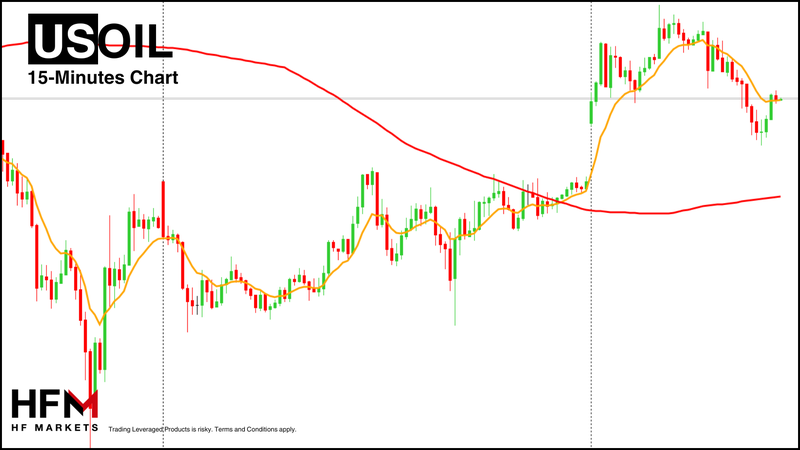
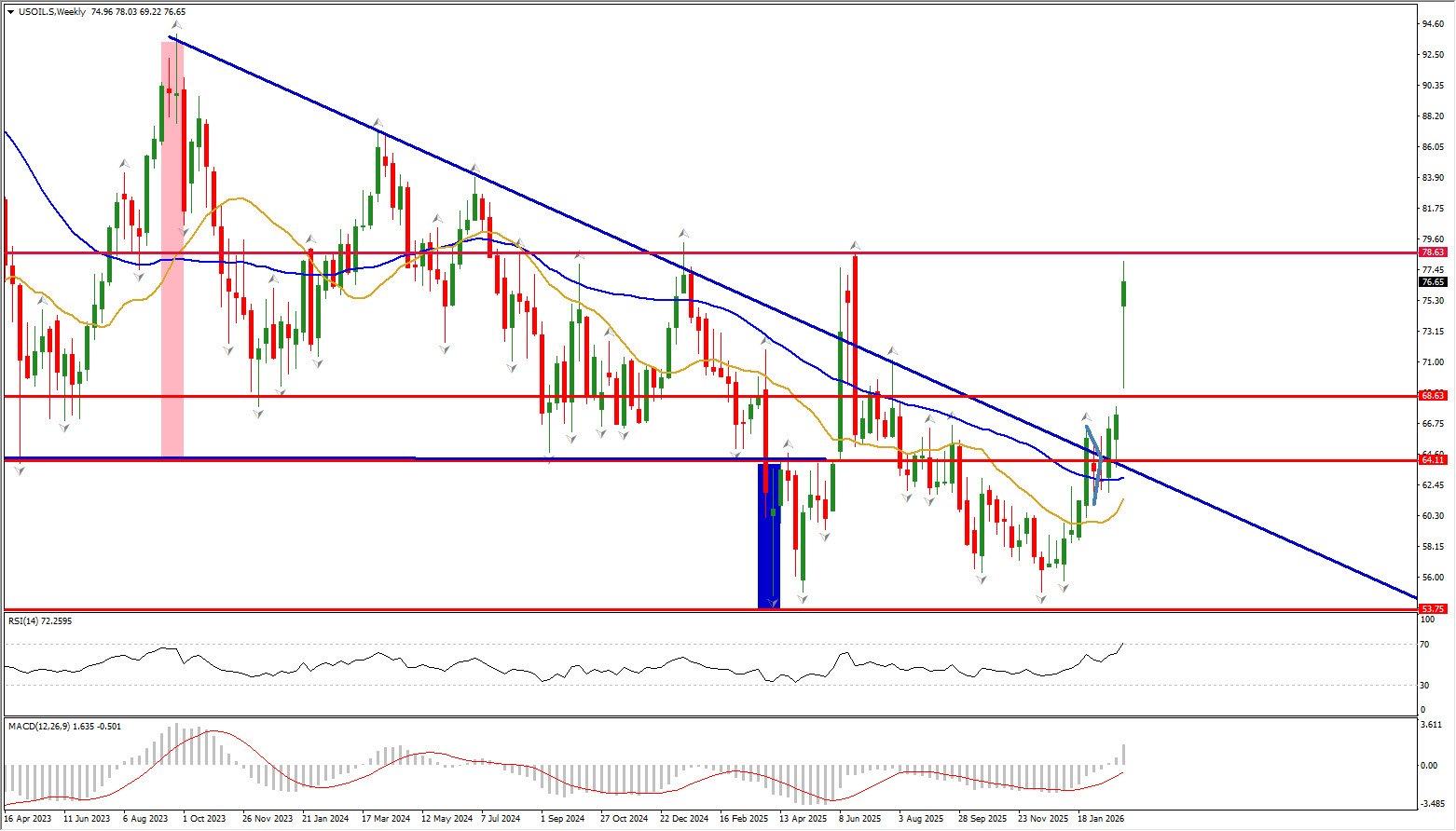
Oil prices extended gains as attacks continued across the region. Brent crude climbed above $82 per barrel after rallying roughly 12% over two days, the largest surge since 2020. West Texas Intermediate hovered near $76. The rapid move reflects fears of supply disruptions after Iraq began shutting major oil fields, and Saudi storage facilities filled rapidly.

The effective closure of Hormuz has severely disrupted tanker traffic. Insurance costs for shipping have surged, potentially adding $5–$15 per barrel in transport-related expenses.

President Donald Trump announced that the US would provide political risk insurance and, if necessary, naval escorts to tankers transiting the strait. However, analysts caution that naval escorts may themselves become targets, limiting the effectiveness of the plan.

Brent’s prompt spread widened to $3.38 in backwardation, a strong signal of immediate supply tightness.
2026-03-04_10-28-49

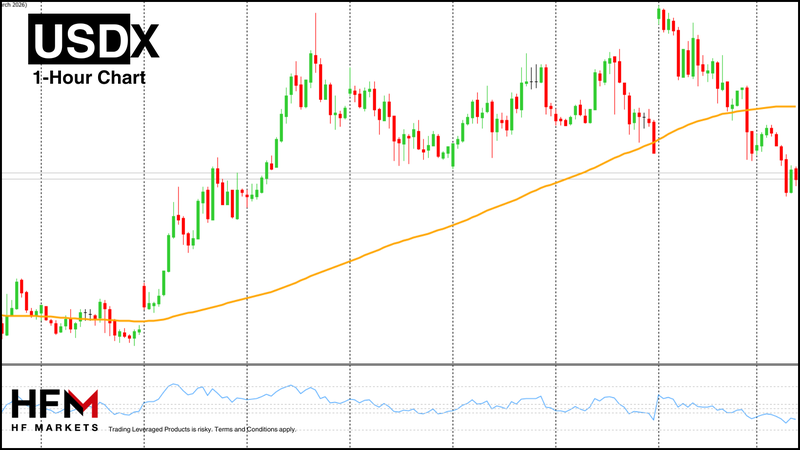
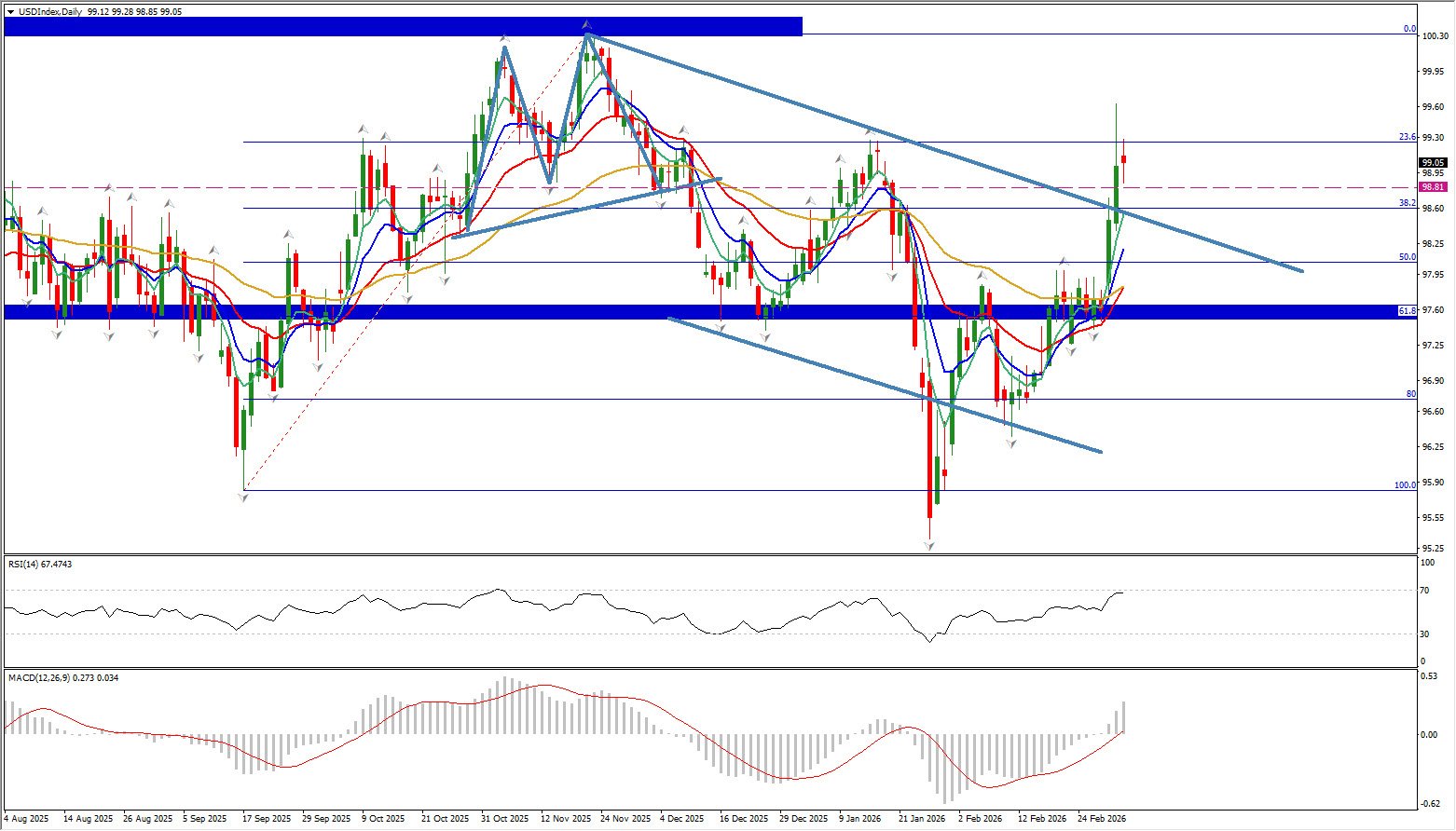
The Bloomberg Dollar Spot Index posted its strongest two-day gain in nearly a year before stabilizing.

Asian currencies fell to their weakest levels since January, though China intervened to anchor the yuan. A stronger dollar compounds stress for Asian economies by:

  • Raising import costs
  • Increasing debt servicing pressure
  • Tightening financial conditions
US Treasury yields climbed as inflation fears resurfaced, with the 10-year yield hovering around 4.07%.

Markets previously relied on what traders dubbed the “TACO trade” , short for “Trump Always Chickens Out”, a belief that sharp market declines would prompt policy reversals.

This conflict, however, is military in nature and carries unpredictable escalation risks beyond traditional policy maneuvering. Investors cannot price a clear endgame, raising fears of a prolonged disruption to global energy flows.

Inflation Risk Returns: Higher oil prices threaten to reintroduce inflation pressures globally. In the US, gasoline prices have already risen to $3.11 per gallon on average. A sustained energy shock could complicate plans by the Federal Reserve to cut rates in 2026, potentially keeping borrowing costs elevated and pressuring equities further.
2026-03-04_10-45-57

Despite the sharp selloff, futures point to only modest weakness in the US and potential stabilization in Europe, suggesting for now the shock remains concentrated in Asia. Importantly, Asian stocks remain up approximately 4.7% year-to-date after a 25% surge in 2025, meaning some of the move reflects profit-taking from extended positioning.

However, markets remain highly headline-driven. If oil continues to climb or Hormuz disruptions worsen, further downside in Asia appears likely.

For now, traders are watching three key indicators:

  1. Crude oil stability above $80
  2. Confirmation of tanker traffic resuming
  3. Dollar strength persistence
Until clarity emerges, volatility is likely to remain elevated, particularly in energy-dependent Asian markets.

Always trade with strict risk management. Your capital is the single most important aspect of your trading business.

Please note that times displayed based on local time zone and are from time of writing this report.


Click HERE to access the full HFM Economic calendar.

Want to learn to trade and analyse the markets? Join our webinars and get analysis and trading ideas combined with better understanding of how markets work. Click HERE to register for FREE!

Click HERE to READ more Market news.

Andria Pichidi
HFMarkets

Disclaimer:
This material is provided as a general marketing communication for information purposes only and does not constitute an independent investment research. Nothing in this communication contains, or should be considered as containing, an investment advice or an investment recommendation or a solicitation for the purpose of buying or selling of any financial instrument. All information provided is gathered from reputable sources and any information containing an indication of past performance is not a guarantee or reliable indicator of future performance. Users acknowledge that any investment in Leveraged Products is characterized by a certain degree of uncertainty and that any investment of this nature involves a high level of risk for which the users are solely responsible and liable. We assume no liability for any loss arising from any investment made based on the information provided in this communication. This communication must not be reproduced or further distributed without our prior written permission.
 
Date: 5th March 2026.

EURJPY Under Pressure as Yen Gains Safe-Haven Demand.


EURJPY Under Pressure as Yen Gains Safe-Haven Demand

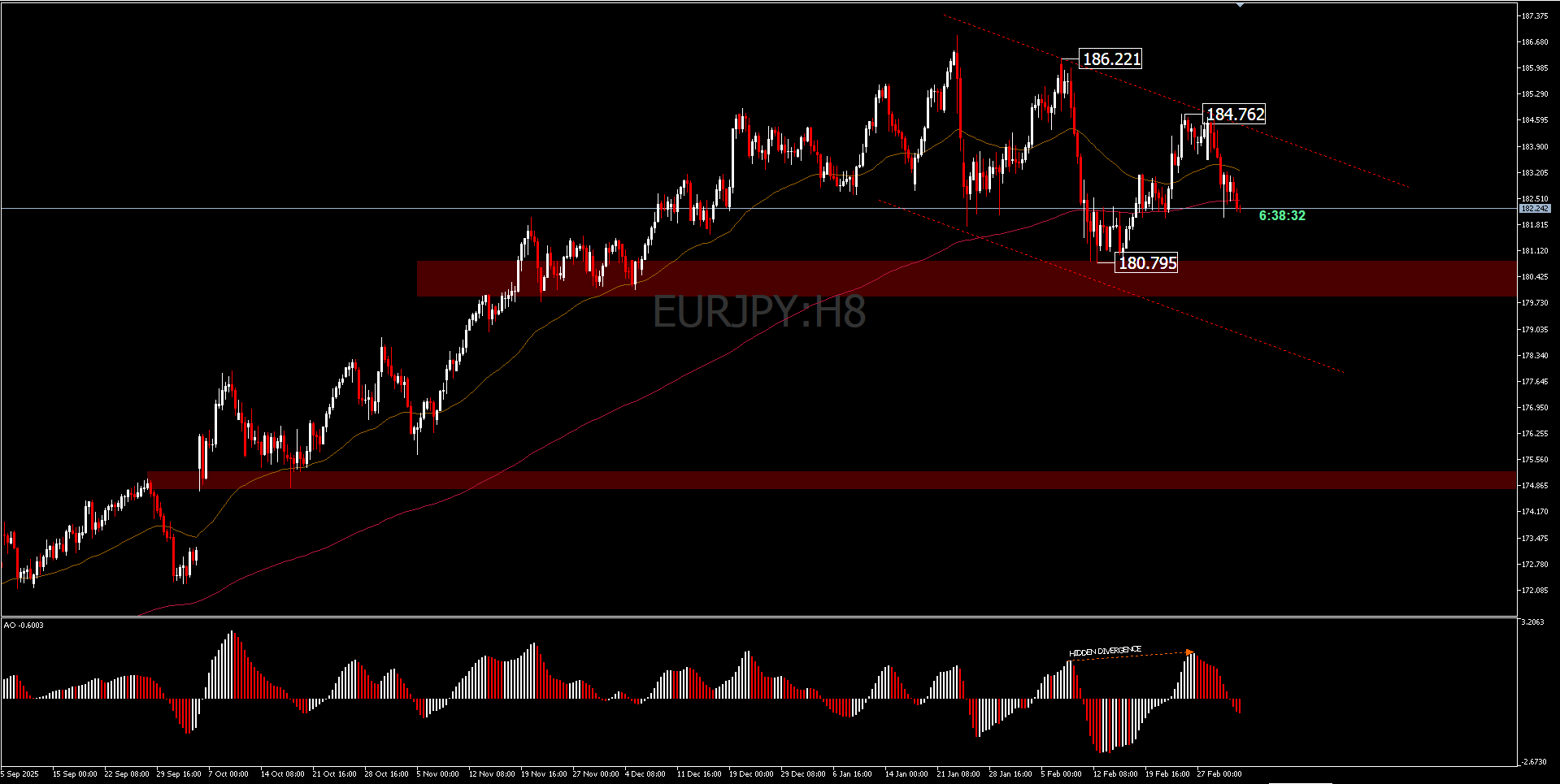
The global currency market today witnessed significant turmoil in the EURJPY pair. Trading above 182.00, the pair recorded a daily decline of 0.24%. Although the euro has strengthened 14.19% cumulatively over the past 12 months against the yen, short-term momentum is showing signs of exhaustion, with a correction of 1.83% over the past four weeks.

This movement reflects the tug-of-war between strong domestic economic data in Europe and the yen's role as a safe-haven amidst escalating conflicts in the Middle East.

In the Eurozone, recent economic data has provided complex mixed signals for the European Central Bank (ECB). Germany, the region's economic engine, performed solidly, with the HCOB Services PMI surging to 53.5 in February. Collectively, the Eurozone composite index reached a three-month high, signaling a faster-than-expected output acceleration at the start of the year.

However, this growth was accompanied by a return of inflationary pressures. Core HICP data surged to 2.4% year-on-year, exceeding market expectations and the previous month's figure. This condition has forced market participants to drastically revise their monetary policy expectations. While last week, interest rate cuts were still the main topic of discussion, the market now estimates a 40% probability of the ECB raising rates before the end of the year.

On the other hand, the Japanese Yen has received strong support from its status as a hedge. Military escalation in the Middle East, including reports of direct US involvement in the conflict with Iran, has prompted investors to shift to the Yen. Although Finance Minister Satsuki Katayama stated that he was monitoring the Yen's decline with ‘high urgency’ and left open the possibility of intervention, geopolitical pressures have instead given the Japanese currency a boost, strengthening below 157 per dollar.

Bank of Japan (BoJ) Governor Kazuo Ueda, in his statement to parliament, emphasized that while the path to interest rate normalization remains open, external factors such as global conflicts could have a material impact on Japan's domestic economy. Nevertheless, market expectations for a BoJ interest rate hike in April remain stable at 15 basis points, signaling investor confidence that the era of low interest rates in Japan is coming to an end.

get-analysis-image


Technically, the intraday bias for EURJPY is currently neutral, with a focus on two key levels.

In a bullish scenario, a break above 184.76 would open the way to 186.22, which, if surpassed, would confirm the continuation of the long-term uptrend. Conversely, in a bearish scenario, if the pair breaks through strong support at 180.79, this would signal that the current decline is not merely a short-term fluctuation, but rather a major correction of the long rally that began at 154.77, turning the medium-term outlook negative.

Always trade with strict risk management. Your capital is the single most important aspect of your trading business.

Please note that times displayed based on local time zone and are from time of writing this report.


Click HERE to access the full HFM Economic calendar.

Want to learn to trade and analyse the markets? Join our webinars and get analysis and trading ideas combined with better understanding of how markets work. Click HERE to register for FREE!

Click HERE to READ more Market news.

Ady Phangestu
HFMarkets

Disclaimer:
This material is provided as a general marketing communication for information purposes only and does not constitute an independent investment research. Nothing in this communication contains, or should be considered as containing, an investment advice or an investment recommendation or a solicitation for the purpose of buying or selling of any financial instrument. All information provided is gathered from reputable sources and any information containing an indication of past performance is not a guarantee or reliable indicator of future performance. Users acknowledge that any investment in Leveraged Products is characterized by a certain degree of uncertainty and that any investment of this nature involves a high level of risk for which the users are solely responsible and liable. We assume no liability for any loss arising from any investment made based on the information provided in this communication. This communication must not be reproduced or further distributed without our prior written permission.
 
Date: 6th March 2026.

Middle East War Shake Markets as Gold Rises and Stocks Attempt Rebound.


Middle East War Shake Markets as Gold Rises and Stocks Attempt Rebound


Global financial markets attempted to stabilize on Friday after a week of intense volatility triggered by the escalating conflict between Israel and Iran. While stocks rebounded modestly and precious metals advanced, energy markets remained the central focus for traders as disruptions in the Strait of Hormuz raised concerns about global oil supply.

The week has been defined by sharp cross-asset swings, as geopolitical tensions collided with economic uncertainty and rising inflation risks.

Equity markets showed signs of recovery on the final trading day of the week.

European equity futures climbed nearly 1%, while US stock futures also moved higher after a weak session on Wall Street. In Asia, markets recovered from earlier losses, with regional shares edging about 0.2% higher as Chinese technology stocks provided support.

The rebound comes after heavy losses earlier in the week. Asia’s benchmark stock index is still on track for its worst weekly performance since March 2020, having fallen more than 6% since the Iran conflict began.

Markets have experienced dramatic swings during the week. South Korea’s Kospi index, for example, plunged 12% on Wednesday before rebounding nearly 10% the following day. Meanwhile, Japan’s Nikkei 225 rose 0.6%, Hong Kong’s Hang Seng gained 1.6%, and China’s Shanghai Composite advanced 0.4%.

Despite Friday’s rebound, investor sentiment remains fragile as funds withdraw capital from Asian markets at the fastest pace in four years.

Energy markets remain at the center of global market volatility.

Oil prices surged earlier in the week amid concerns about supply disruptions caused by the war. Tanker traffic through the Strait of Hormuz, a critical shipping route that carries roughly one-fifth of the world’s seaborne oil, has nearly halted according to vessel tracking data.

Although crude prices eased slightly on Friday, the market remains highly sensitive to developments in the region.Brent crude traded around $84-$85 per barrel after reaching its highest level since mid-2024 earlier this week, while US benchmark crude slipped toward $80 per barrel.

Analysts warn that sustained disruptions to oil flows could push prices significantly higher.

Some energy strategists believe Brent crude could climb toward the $100 level if interruptions in the Strait of Hormuz persist for several weeks.

To ease supply pressures, the United States has granted a temporary waiver allowing Indian refiners to continue purchasing Russian oil, giving global markets additional supply flexibility as the Middle East conflict intensifies.

The military confrontation between Israel and Iran entered its seventh day, with missile and drone attacks reported across multiple countries in the Middle East.

Iranian strikes targeted at least five regional nations, while Israel launched another wave of airstrikes on Tehran. Several governments across the region have urged citizens to seek shelter amid the escalating conflict. Diplomatic tensions remain high. Iran’s foreign minister stated that the country has not requested a ceasefire and has no plans to begin negotiations.

At the same time, political rhetoric from Washington has intensified. President Donald Trump indicated he believes the United States should play a role in determining Iran’s future leadership, adding further uncertainty to the geopolitical outlook.

For markets, the key question now is how long the conflict will last.

Many investors still view a relatively short conflict as the base-case scenario, but the lack of diplomatic progress continues to keep traders cautious.

As geopolitical tensions rise, safe-haven assets have benefited.

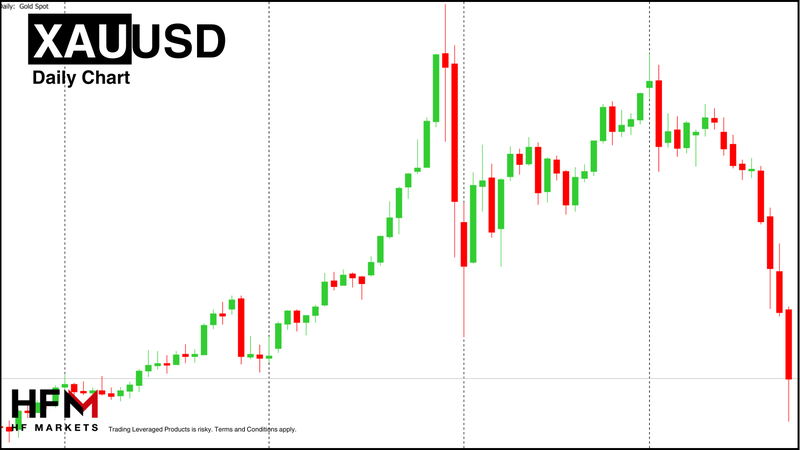
Gold advanced about 0.7%, trading near $5,115 per ounce, while silver surged more than 2%, reflecting strong demand for defensive assets. The US dollar has also regained its safe-haven appeal, putting it on track for its strongest weekly performance since November 2024.

Meanwhile, US Treasury yields were little changed ahead of a key economic release that could shape expectations for Federal Reserve policy.

Traders are now turning their attention to the upcoming US Non-Farm Payrolls report, which could provide important clues about the future path of interest rates.

Economists expect hiring to have moderated in February after strong job growth earlier in the year, while the unemployment rate is projected to remain steady.

However, the inflation outlook is becoming increasingly complicated.

Rising oil prices linked to the Middle East conflict could push inflation higher, particularly if energy costs remain elevated. Analysts warn that sustained increases in oil could also drive higher food prices due to rising fertilizer costs and disruptions in global trade.

This combination raises the risk of stagflation, slower economic growth combined with rising inflation, a scenario that could create further turbulence for financial markets.

For investors, the trajectory of the Israel-Iran conflict will likely remain the dominant driver of market sentiment in the near term.

If oil supply disruptions persist or escalate, energy prices could surge further, adding pressure on global inflation and central bank policy.

At the same time, equity valuations remain elevated following last year’s rally fueled by artificial intelligence optimism, leaving markets vulnerable to geopolitical shocks.

As a result, traders are entering the final trading session of the week with a cautious tone, balancing hopes for a short-lived conflict against the growing risk of a prolonged geopolitical crisis.

Always trade with strict risk management. Your capital is the single most important aspect of your trading business.

Please note that times displayed based on local time zone and are from time of writing this report.


Click HERE to access the full HFM Economic calendar.

Want to learn to trade and analyse the markets? Join our webinars and get analysis and trading ideas combined with better understanding of how markets work. Click HERE to register for FREE!

Click HERE to READ more Market news.

Andria Pichidi
HFMarkets

Disclaimer:
This material is provided as a general marketing communication for information purposes only and does not constitute an independent investment research. Nothing in this communication contains, or should be considered as containing, an investment advice or an investment recommendation or a solicitation for the purpose of buying or selling of any financial instrument. All information provided is gathered from reputable sources and any information containing an indication of past performance is not a guarantee or reliable indicator of future performance. Users acknowledge that any investment in Leveraged Products is characterized by a certain degree of uncertainty and that any investment of this nature involves a high level of risk for which the users are solely responsible and liable. We assume no liability for any loss arising from any investment made based on the information provided in this communication. This communication must not be reproduced or further distributed without our prior written permission.
 
Date: 09th March 2026.

Attacks on Iran’s Oil Facilities Spark Panic Across Global Markets.


Attacks on Iran’s Oil Facilities Spark Panic Across Global Markets

The latest strike on Iran’s oil facilities and energy infrastructure sent oil prices close to $120 per barrel. After the recent spike early this morning, oil rose to the highest level in almost four years. The higher oil prices as well as Friday’s poor employment data are triggering a clear domino effect in the market.

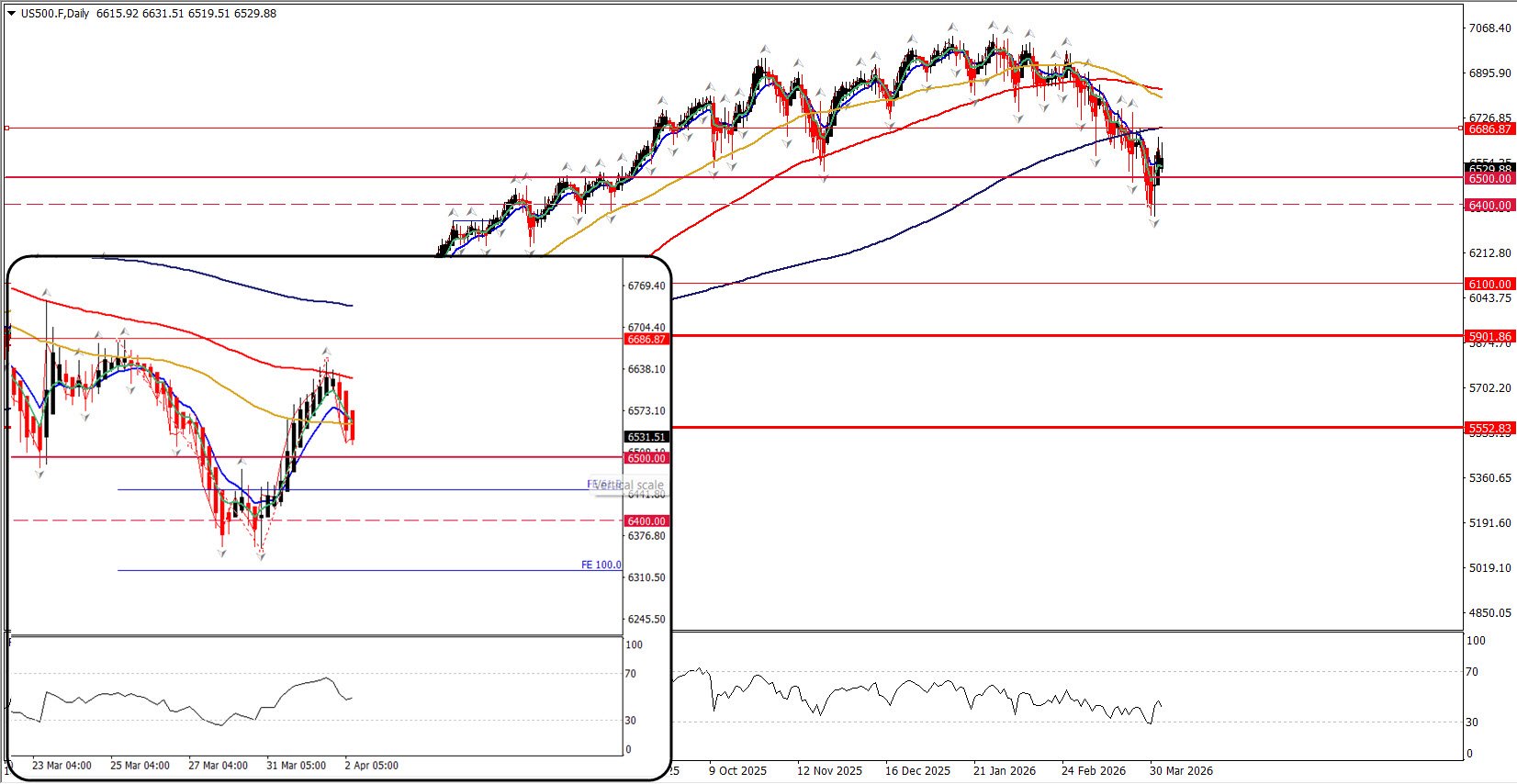
Since Friday’s employment data was released and oil prices became volatile this morning, the stock market has taken the biggest hit. Demand for the US Dollar has increased. Investors are opting to invest in safe-haven assets and are pricing in higher interest rates for 2026.

The conflict between Iran and the US-Israel coalition is intensifying as the war enters its second week. As the conflict enters its second week and the coalition does not seem to be able to achieve its goals without putting troops on the ground, investor confidence is deteriorating.

Missile and drone attacks have hit oil facilities, desalination plants, and infrastructure across the region. The conflict is spreading across several Middle Eastern countries and threatening global energy supply. The main concern for investors is that the Strait of Hormuz remains closed, reducing oil supply by 20% and particularly impacting Asian countries.


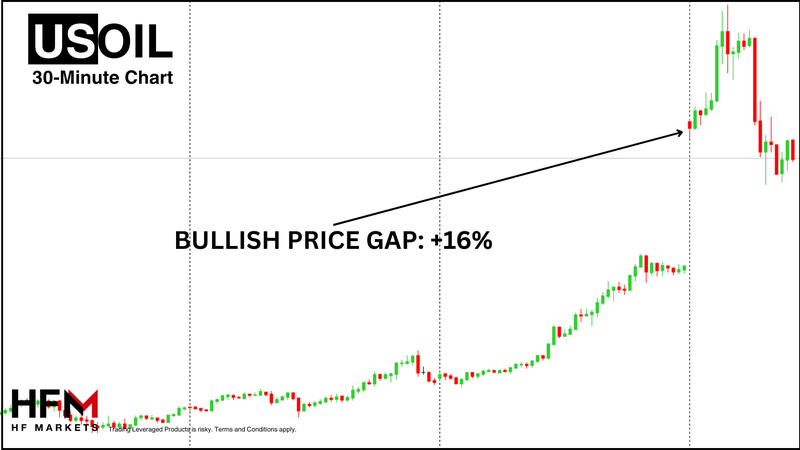
HFM - Crude Oil 30-Minute Chart

HFM - Crude Oil 30-Minute Chart


Most assets, including currencies, oil and gold started the day with a large price gap indicating the panic as markets opened. However, much of the initial price volatility quickly became overstretched and is now retracing.

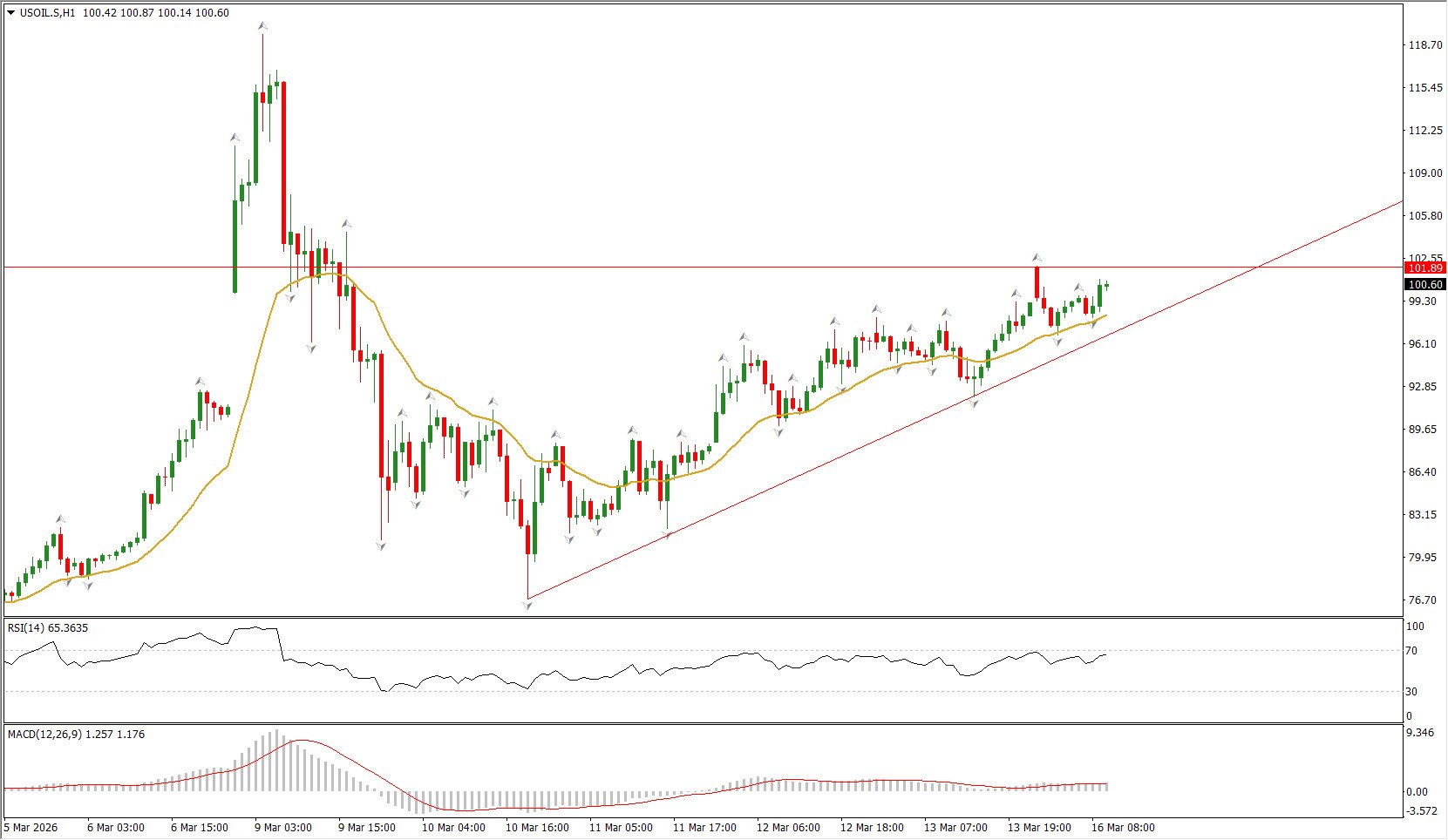
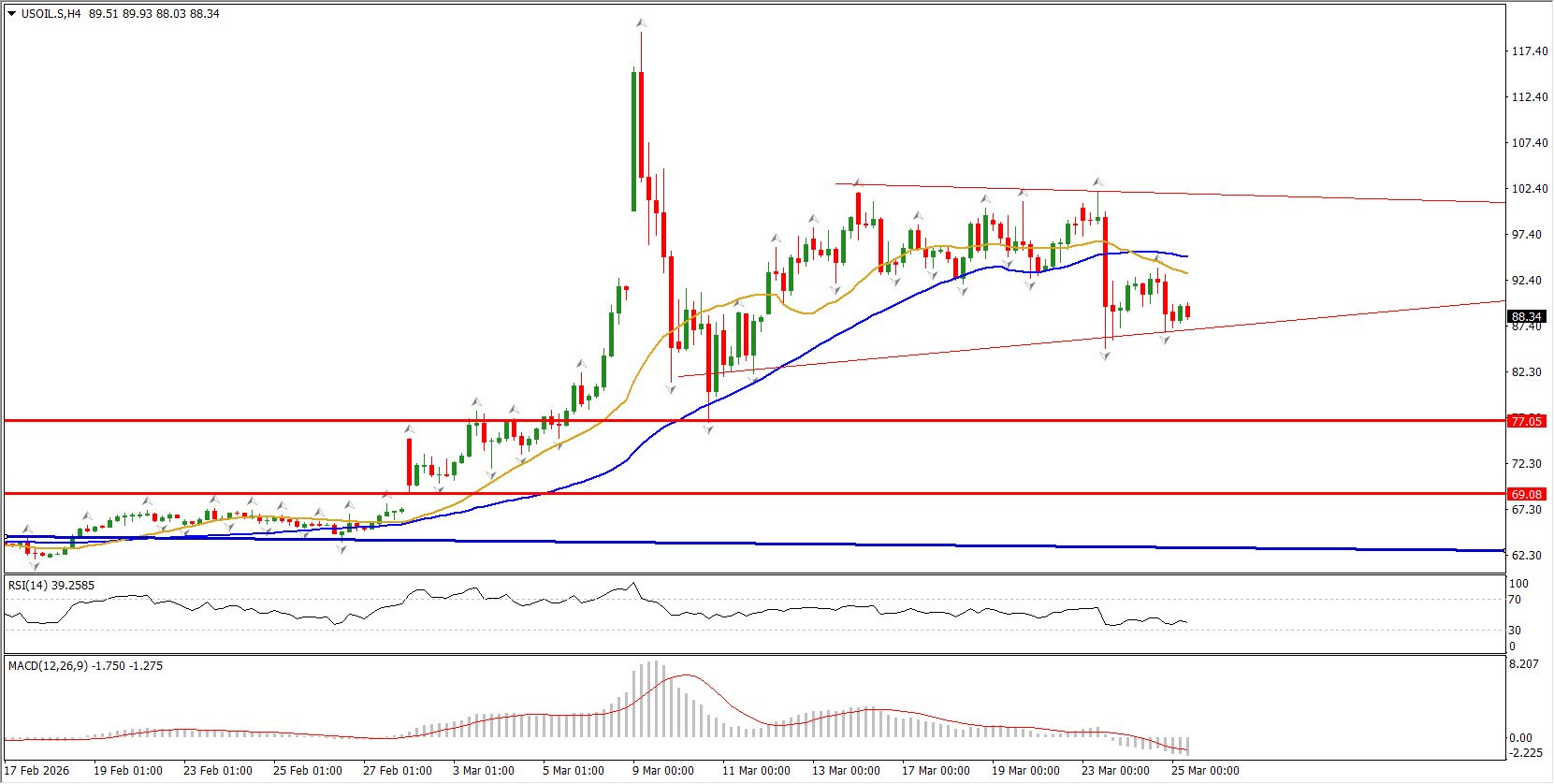
Oil prices originally rose from $91.50 to $106.00, but continued to rise to $119.00. However, oil prices are now trading close to $100 per barrel. The retracement has triggered a price which continues to be significantly higher than Friday’s close, but lower than today’s high.

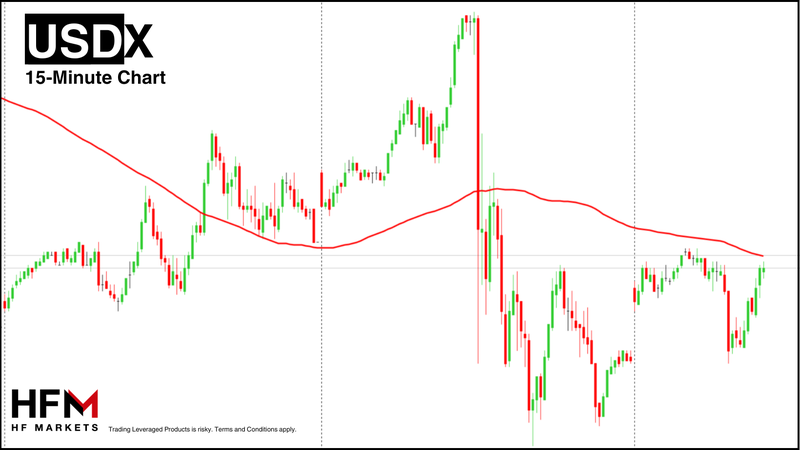
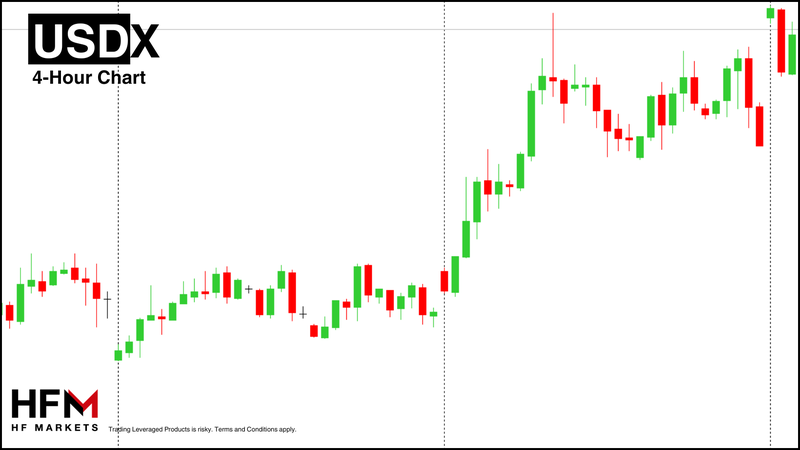
The price movement of the US Dollar Index was similar with the price rising from 98.70 to 99.68, but it is now retracing down to 99.30. The only category which is struggling to retrace or correct is the stock market. All global stocks are currently trading lower and the VIX index is up 8%, indicating a clear risk-off appetite.

The market sentiment has partially improved since the G7 nations advised that they will release oil reserves to boost market supply. However, most economists advise that as long as the Straits of Hormuz remains closed, this move would not be enough to retain confidence.

Lastly, most central banks are likely to consider adjusting interest rates relatively soon in order to control inflation. Analysts now expect the European Central Bank to increase interest rates by 0.25% on two occasions. The Federal Reserve is likely to remove any possibility of rate cuts in 2026 completely.

Jobs fell by 92,000, while economists expected an increase of 58,000. In January, job growth was 126,000, revised down from 130,000. The unemployment rate rose from 4.3% to 4.4%.

The healthcare sector, which usually drives hiring, lost 19,000 jobs. This was mainly due to protests by medical workers. They are demanding changes to staffing policies, higher wages, and better working conditions. Around 31,000 healthcare workers temporarily stopped working during the protests.

Normally, the lower employment data would positively impact the stock market as investors would expect frequent rate cuts. However, as the Federal Reserve is unlikely to cut interest rates, the market was hoping for strong figures to boost confidence. Currently, the poor figures indicate a weakening stock market and a stronger Dollar. Because of this uncertainty, investors are watching comments from Fed officials closely.

Neel Kashkari, president of the Federal Reserve Bank of Minneapolis, said the conflict between the United States and Iran has increased economic uncertainty. Earlier, he expected at least one rate cut this year. Now he prefers a ‘wait-and-see’ approach.

John Williams, president of the Federal Reserve Bank of New York, said the Fed could ease policy if inflation keeps falling toward 2%. He also expects the United States economy to grow about 2.5% this year. Growth should be supported by government spending and strong financial conditions. Investment in artificial intelligence (AI) is also expected to support expansion.


HFM - US Dollar Index 4-Hour Chart

HFM - US Dollar Index 4-Hour Chart


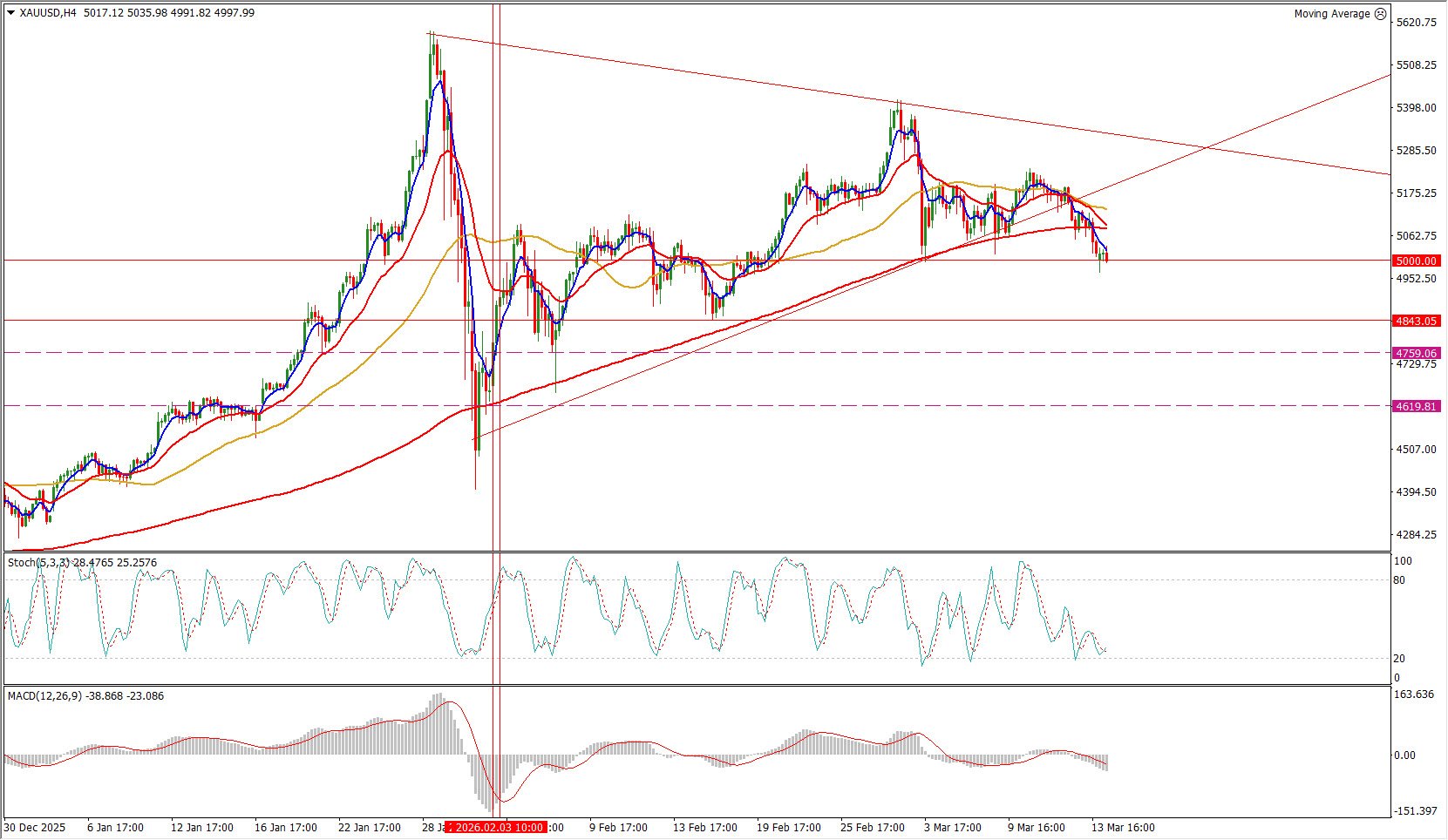
Analysts advise that if the conflict continues in the long term, oil prices and the market’s lower risk appetite will negatively impact stocks. Some analysts advise the NASDAQ may even fall to $20,000 in 2026. While the ‘winners’ of the development will remain both the US Dollar and Gold, although investors advise the performance of the Dollar and Gold will also be tied to rate hikes.

  • Strikes on Iran’s energy infrastructure pushed oil near $120 per barrel, the highest level in almost four years.
  • Global stocks fell sharply, while investors increased demand for the US Dollar and other safe-haven assets.
  • The Strait of Hormuz closure is a major concern. About 20% of global oil supply could be disrupted, heavily affecting energy markets.
  • Weak US employment data added pressure on markets. Jobs fell by 92,000, unemployment rose to 4.4%, and the data suggests weakening economic momentum.
  • Central banks may keep interest rates higher for longer. The Federal Reserve may abandon rate cuts in 2026, while the European Central Bank could raise rates to control inflation.
Always trade with strict risk management. Your capital is the single most important aspect of your trading business.

Please note that times displayed based on local time zone and are from time of writing this report.


Click HERE to access the full HFM Economic calendar.

Want to learn to trade and analyse the markets? Join our webinars and get analysis and trading ideas combined with better understanding of how markets work. Click HERE to register for FREE!

Click HERE to READ more Market news.

Michalis Efthymiou
HFMarkets

Disclaimer:
This material is provided as a general marketing communication for information purposes only and does not constitute an independent investment research. Nothing in this communication contains, or should be considered as containing, an investment advice or an investment recommendation or a solicitation for the purpose of buying or selling of any financial instrument. All information provided is gathered from reputable sources and any information containing an indication of past performance is not a guarantee or reliable indicator of future performance. Users acknowledge that any investment in Leveraged Products is characterized by a certain degree of uncertainty and that any investment of this nature involves a high level of risk for which the users are solely responsible and liable. We assume no liability for any loss arising from any investment made based on the information provided in this communication. This communication must not be reproduced or further distributed without our prior written permission.
 
Back
Top Bottom