
HFM
Well-known member
Date: 13th October 2026.
High Volatility Ahead of US Inflation as IMF Warns of Global Risks.

The US Dollar Index is falling during Tuesday’s Asian session after rising to the highest level in six months. The decline is due to falling bond yields and markets pausing ahead of the release of the US inflation rate. The US Dollar Index has been increasing in value for almost five consecutive weeks. Investors are warning that the quick rise is prompting slightly overstretched indications unless tomorrow's inflation reads higher.
Volatility in bonds, gold, currencies, and indices are also being driven by the latest statements from Broadcom and the IMF. Broadcom, the eighth most influential company in the NASDAQ and a key player in AI, has raised concerns about growing speculation in the sector. Its CEO warned that AI investing is becoming ‘casino-like’, with many investors lacking understanding and holding unrealistic expectations.
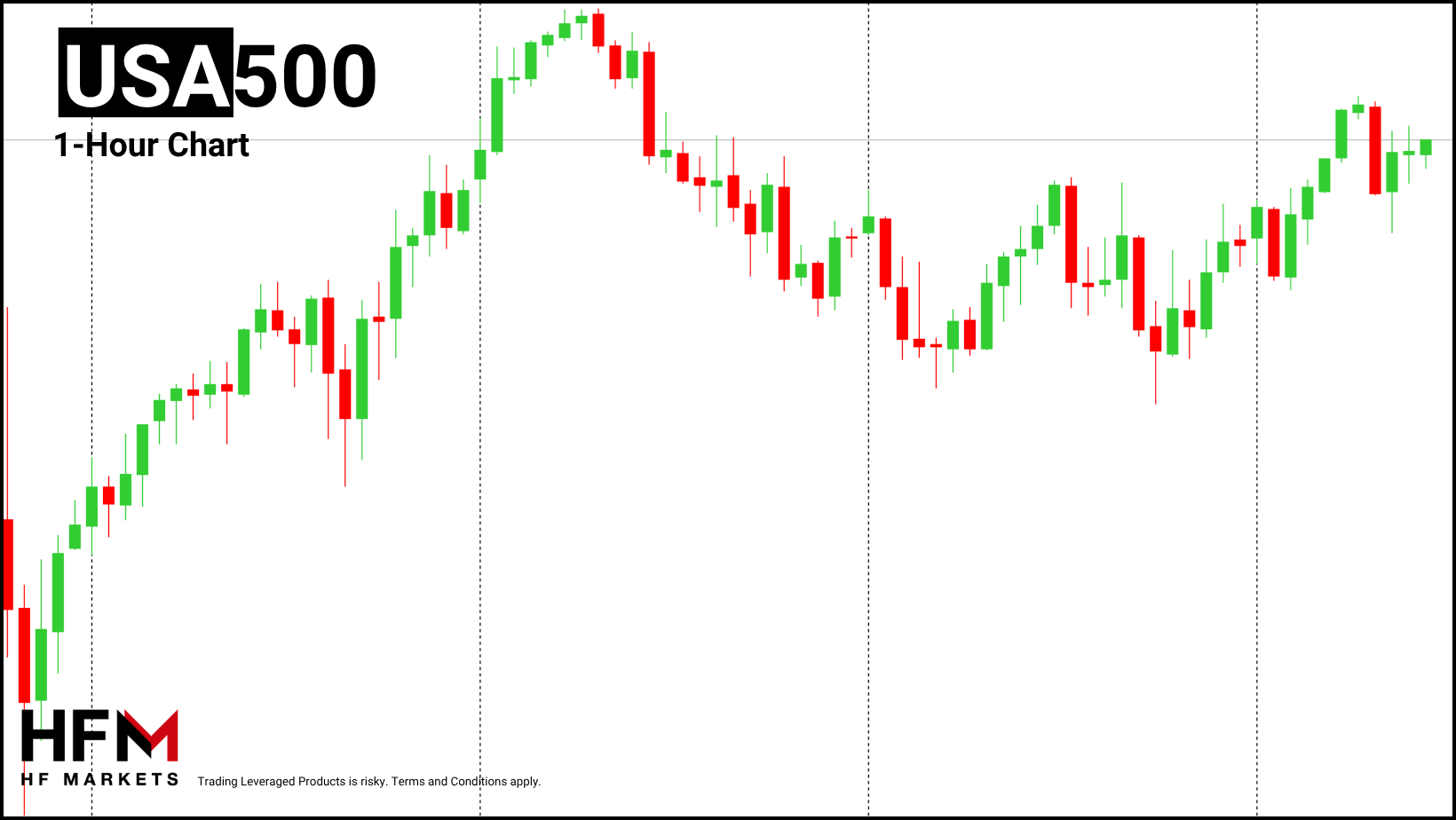
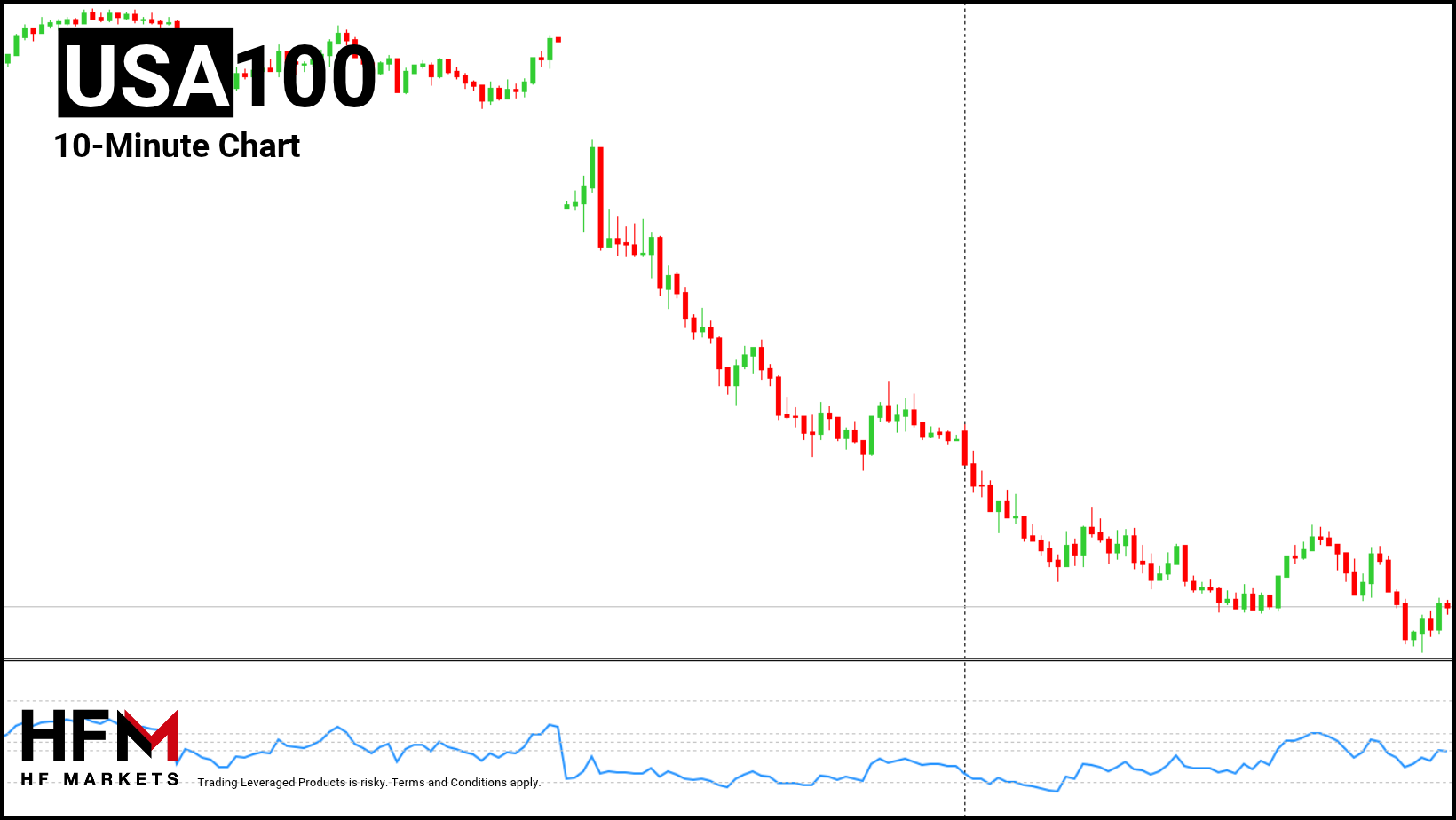
As a result, the NASDAQ and S&P 500 are declining in value, while the Dow Jones is experiencing a strong gain. This is due to the Dow Jones’s exposure to defensive stocks and the banking sector. The banking sector is due to announce their earnings reports before the market opens on Tuesday.
A key factor that is impacting safe-haven assets is the latest IMF statement. The IMF’s statement on 13 October felt more like a warning rather than a neutral statement. According to the statement, the global economy is becoming increasingly vulnerable to further shocks, particularly as government bond yields rise and public debt remains elevated. The statement also made reference to the rising energy prices and possible AI-related market risks.
As a result, many safe-haven assets are increasing in value. These include, Gold, bonds, the Japanese Yen and the Swiss Franc. The US Dollar on the other hand, saw a small decline due to higher bond demand and the upcoming inflation report. Many investors will wait to see what the latest inflation figure will indicate for monetary policy.
Market analysts expect inflation to rise from 3.4% to 3.6%. If the inflation figure comes in higher, the US Dollar could again see an increase. However, a lower figure or a reading line with expectations may see the daily fall continue into a correction. Without a considerable rise in inflation, the Federal Reserve is likely to pause in October.
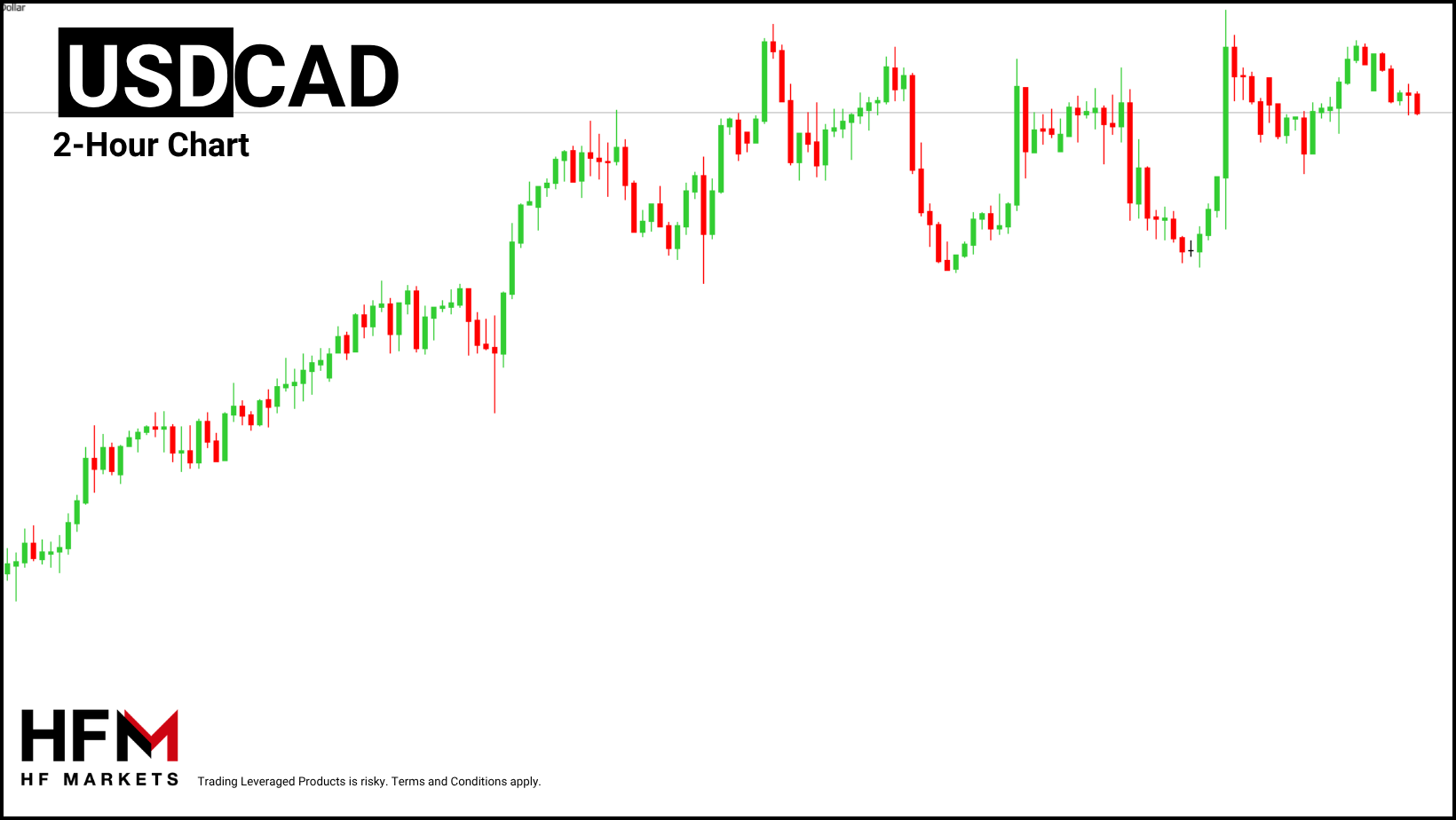
In terms of technical analysis, on the daily timeframe, indications remain bullish, but the picture seems overstretched at such a high price. The USD/CAD has risen for six consecutive weeks, but has been struggling to rise further over the past week. Nonetheless, the shorter-term timeframes are not indicating a downward trend, and downward retracements are losing momentum. At the same time, on the short- and medium-term charts, the price continues to trade above the key moving averages.
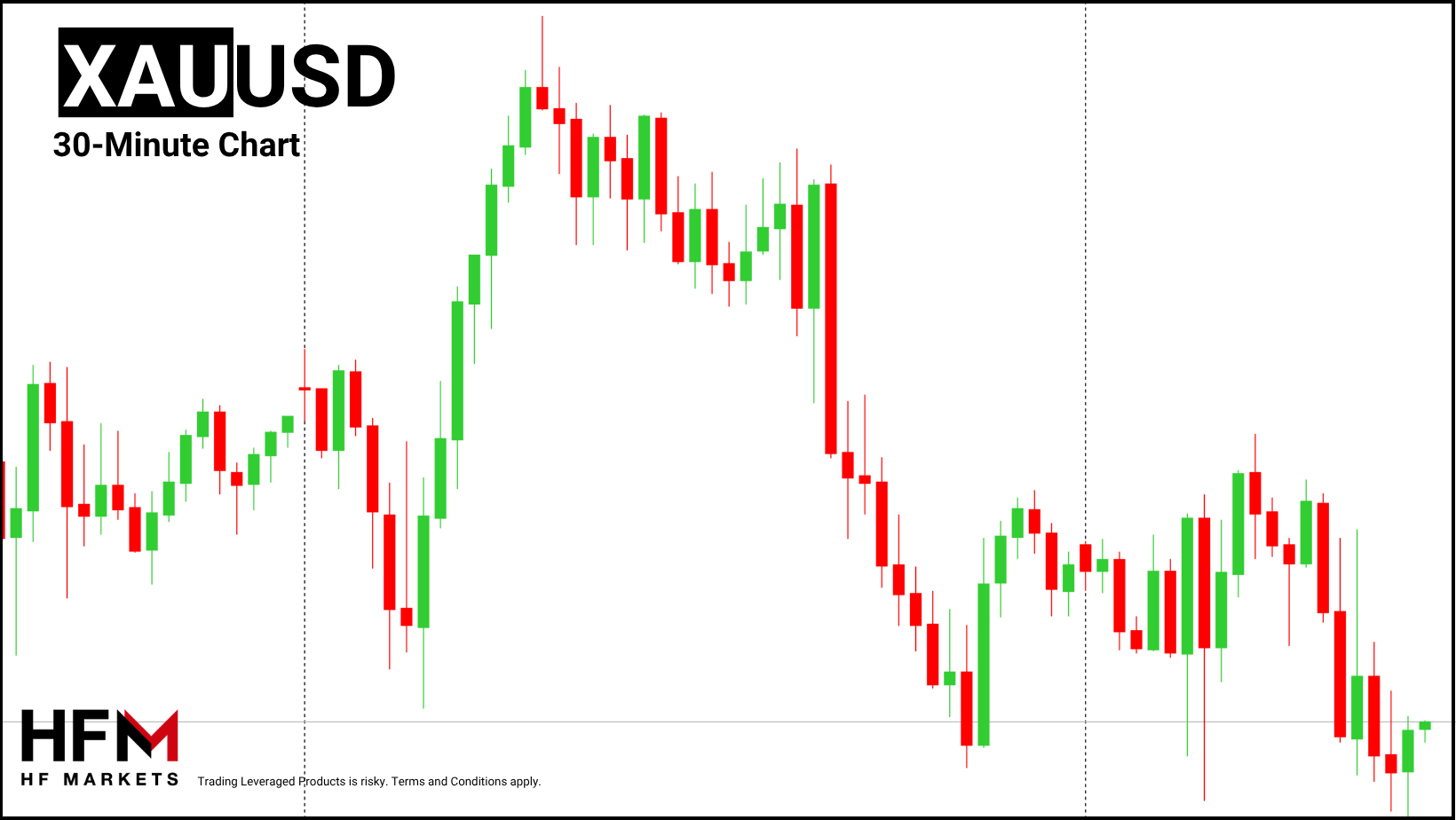
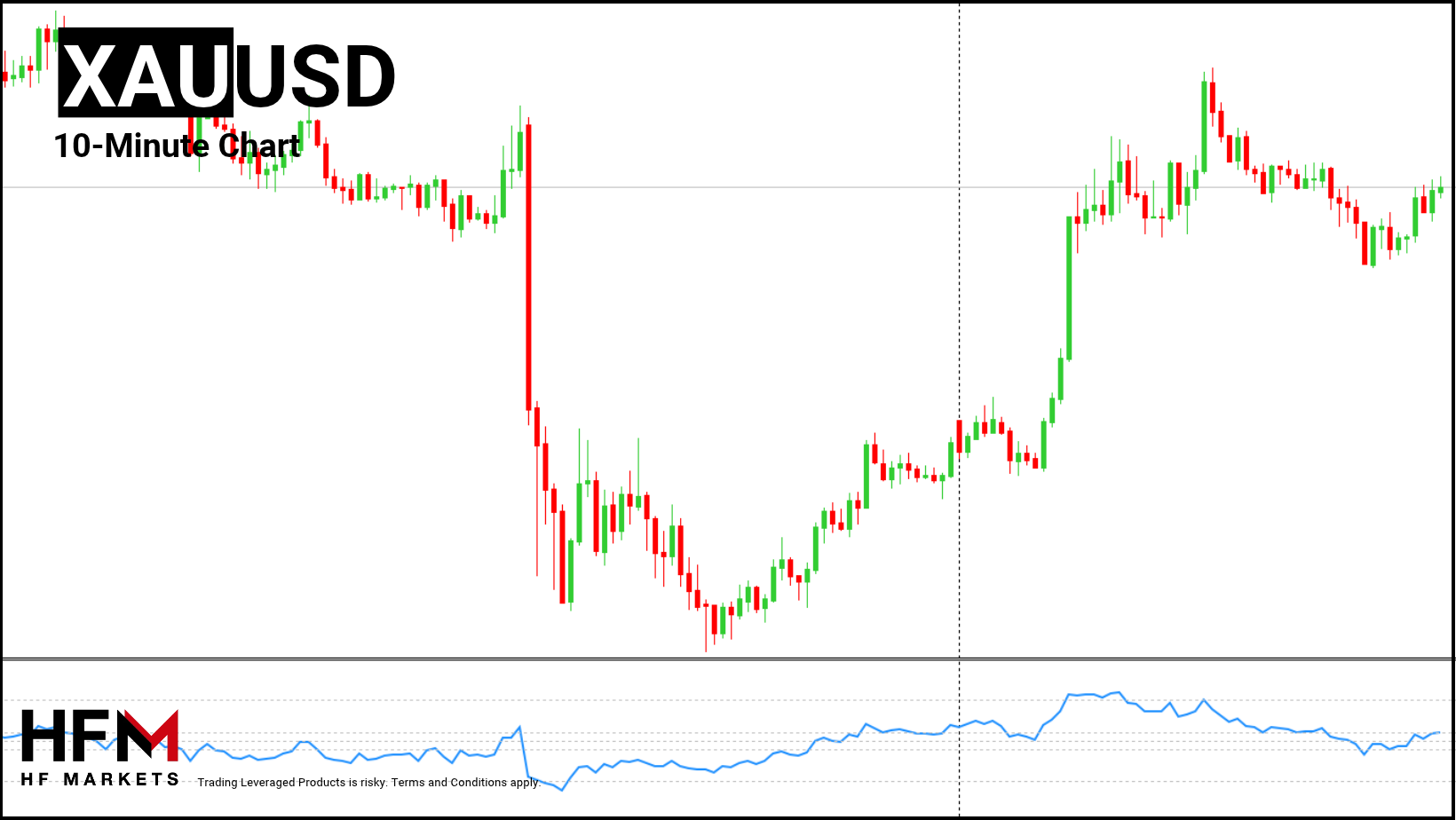
At the same time, Gold will also be influenced by the upcoming US inflation reading. If the inflation reading is higher than expected, Gold may decline in the short term. However, a decline or slight rise will likely benefit Gold as the Fed may opt to keep rates unchanged for the rest of the year.
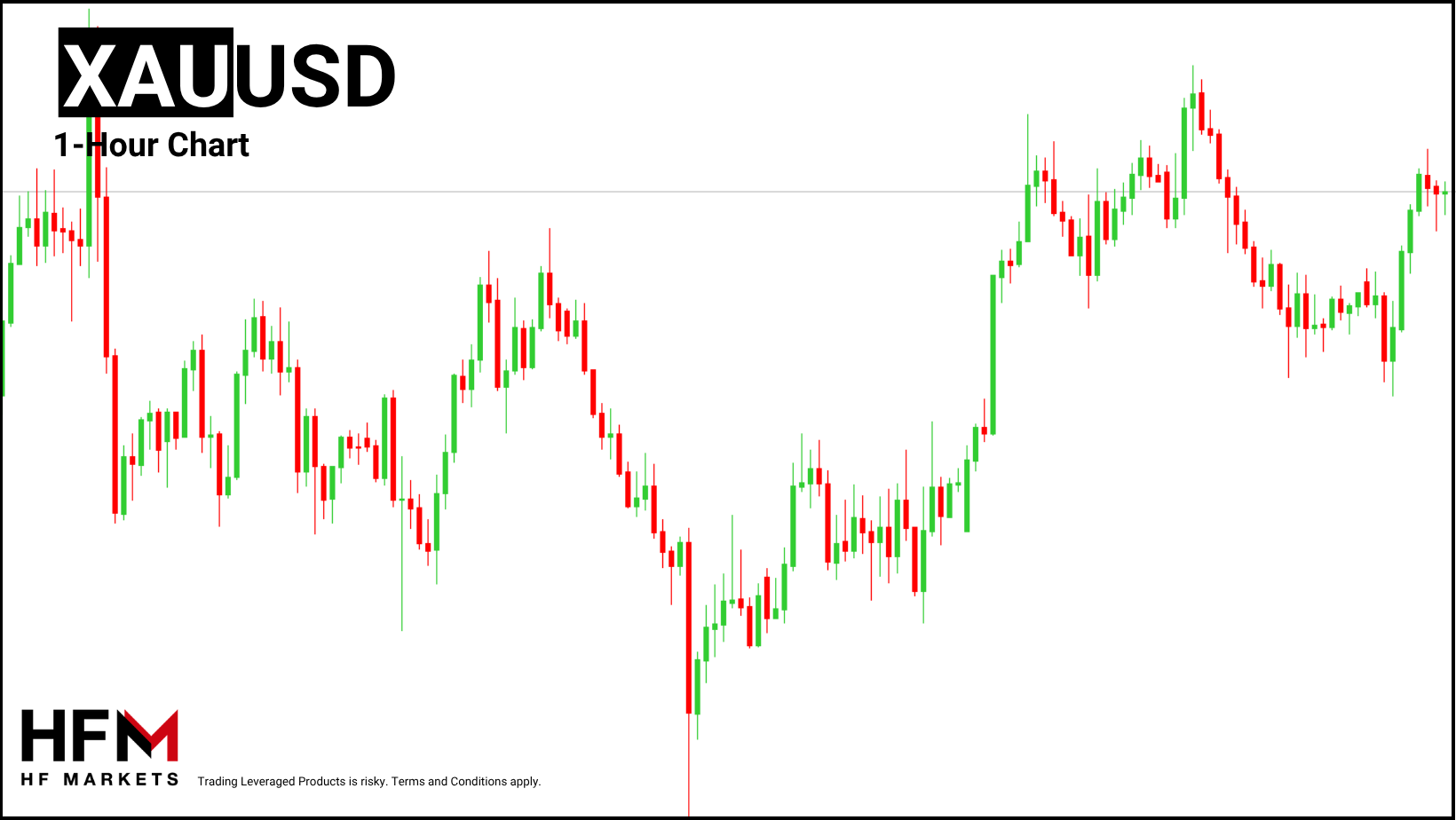
The price of Gold was trading 0.64% higher this morning but is retracing lower as the European session nears. If the price rises above $4,194.40, bullish indications will likely remain intact. If the price falls below $4,181.00, buy signals will be erased until bullish momentum is seen again.
HFM - Gold 1-Hour Chart
Key Takeaways:
Please note that times displayed based on local time zone and are from time of writing this report.
Click HERE to access the full HFM Economic calendar.
Want to learn to trade and analyse the markets? Join our webinars and get analysis and trading ideas combined with better understanding of how markets work. Click HERE to register for FREE!
Click HERE to READ more Market news.
Michalis Efthymiou
HFMarkets
Disclaimer: This material is provided as a general marketing communication for information purposes only and does not constitute an independent investment research. Nothing in this communication contains, or should be considered as containing, an investment advice or an investment recommendation or a solicitation for the purpose of buying or selling of any financial instrument. All information provided is gathered from reputable sources and any information containing an indication of past performance is not a guarantee or reliable indicator of future performance. Users acknowledge that any investment in Leveraged Products is characterized by a certain degree of uncertainty and that any investment of this nature involves a high level of risk for which the users are solely responsible and liable. We assume no liability for any loss arising from any investment made based on the information provided in this communication. This communication must not be reproduced or further distributed without our prior written permission.
High Volatility Ahead of US Inflation as IMF Warns of Global Risks.
The US Dollar Index is falling during Tuesday’s Asian session after rising to the highest level in six months. The decline is due to falling bond yields and markets pausing ahead of the release of the US inflation rate. The US Dollar Index has been increasing in value for almost five consecutive weeks. Investors are warning that the quick rise is prompting slightly overstretched indications unless tomorrow's inflation reads higher.
Volatility in bonds, gold, currencies, and indices are also being driven by the latest statements from Broadcom and the IMF. Broadcom, the eighth most influential company in the NASDAQ and a key player in AI, has raised concerns about growing speculation in the sector. Its CEO warned that AI investing is becoming ‘casino-like’, with many investors lacking understanding and holding unrealistic expectations.
As a result, the NASDAQ and S&P 500 are declining in value, while the Dow Jones is experiencing a strong gain. This is due to the Dow Jones’s exposure to defensive stocks and the banking sector. The banking sector is due to announce their earnings reports before the market opens on Tuesday.
USD/CAD - The Dollar Loses Momentum as Investors Turn to Bonds
The US Dollar Index is experiencing strong gains due to expectations of higher interest rates for a prolonged period. In addition, the currency is also experiencing demand due to high bond yields and its safe-haven status. At the same time, the Canadian dollar continues to come under pressure from US trade demands, weak economic growth, and political uncertainty.A key factor that is impacting safe-haven assets is the latest IMF statement. The IMF’s statement on 13 October felt more like a warning rather than a neutral statement. According to the statement, the global economy is becoming increasingly vulnerable to further shocks, particularly as government bond yields rise and public debt remains elevated. The statement also made reference to the rising energy prices and possible AI-related market risks.
As a result, many safe-haven assets are increasing in value. These include, Gold, bonds, the Japanese Yen and the Swiss Franc. The US Dollar on the other hand, saw a small decline due to higher bond demand and the upcoming inflation report. Many investors will wait to see what the latest inflation figure will indicate for monetary policy.
Market analysts expect inflation to rise from 3.4% to 3.6%. If the inflation figure comes in higher, the US Dollar could again see an increase. However, a lower figure or a reading line with expectations may see the daily fall continue into a correction. Without a considerable rise in inflation, the Federal Reserve is likely to pause in October.
USDCAD - Technical Analysis
In terms of technical analysis, on the daily timeframe, indications remain bullish, but the picture seems overstretched at such a high price. The USD/CAD has risen for six consecutive weeks, but has been struggling to rise further over the past week. Nonetheless, the shorter-term timeframes are not indicating a downward trend, and downward retracements are losing momentum. At the same time, on the short- and medium-term charts, the price continues to trade above the key moving averages.
Gold Rebounds, but Inflation Remains Key
Gold prices saw a strong rise this morning after declining on Monday. The key drivers were the decline in bond yields for a second consecutive day, ‘risk off’ appetite, and a slight decline in the Dollar. However, traders should note that the US Dollar Index remains elevated and above 102.00. While the short-term price action remains above 102.00, gold may struggle to maintain bullish momentum.At the same time, Gold will also be influenced by the upcoming US inflation reading. If the inflation reading is higher than expected, Gold may decline in the short term. However, a decline or slight rise will likely benefit Gold as the Fed may opt to keep rates unchanged for the rest of the year.
The price of Gold was trading 0.64% higher this morning but is retracing lower as the European session nears. If the price rises above $4,194.40, bullish indications will likely remain intact. If the price falls below $4,181.00, buy signals will be erased until bullish momentum is seen again.
HFM - Gold 1-Hour Chart
Key Takeaways:
- The Dollar retreats from a six-month high as bond yields decline and investors await US inflation data.
- The IMF warns of growing economic vulnerabilities, while Broadcom raises concerns about excessive AI speculation.
- The USD/CAD remains bullish but shows signs of overextension, with upcoming inflation data likely to influence its next move.
- Gold benefits from declining bond yields and safe-haven demand, with $4,194.40 acting as key resistance and $4,181.00 as support.
Please note that times displayed based on local time zone and are from time of writing this report.
Click HERE to access the full HFM Economic calendar.
Want to learn to trade and analyse the markets? Join our webinars and get analysis and trading ideas combined with better understanding of how markets work. Click HERE to register for FREE!
Click HERE to READ more Market news.
Michalis Efthymiou
HFMarkets
Disclaimer: This material is provided as a general marketing communication for information purposes only and does not constitute an independent investment research. Nothing in this communication contains, or should be considered as containing, an investment advice or an investment recommendation or a solicitation for the purpose of buying or selling of any financial instrument. All information provided is gathered from reputable sources and any information containing an indication of past performance is not a guarantee or reliable indicator of future performance. Users acknowledge that any investment in Leveraged Products is characterized by a certain degree of uncertainty and that any investment of this nature involves a high level of risk for which the users are solely responsible and liable. We assume no liability for any loss arising from any investment made based on the information provided in this communication. This communication must not be reproduced or further distributed without our prior written permission.