• Attention Forex Brokers, FX Companies & Hedge Funds.

    forum.forex is available for Acquisition (quick sale)

    Submit your Offer

HFMarkets (hfm.com): New market analysis services.

Date: 5th May 2026.

Gold Remains Under Pressure Despite Middle East Escalations.


Gold Remains Under Pressure Despite Middle East Escalations


Gold continues to remain under pressure from selling driven by the US Dollar and the Federal Reserve. The US Dollar is increasing in value as the Middle East continues to remain on edge. Since the start of May, the US Dollar Index has risen 0.50% despite the Japanese Yen increasing in value and experiencing multiple interventions.

The situation in the Middle East remains highly tense. Yesterday, President Donald Trump announced the launch of Operation Freedom, a plan aimed at freeing vessels from neutral countries currently trapped in the Persian Gulf following the closure of the Strait of Hormuz.

According to the White House, the operation would involve the deployment of several destroyers, more than 100 aircraft, and 15,000 troops. However, the details of the plan remain unclear. The Islamic Revolutionary Guard Corps (IRGC) continues to control the waters and has stated that no vessel will be allowed to pass without Tehran’s approval. In addition to this, there are also reports that Iran attacked a UAE ship attempting to pass through the Strait.

Markets viewed the announcement as a potential escalation in the US-Iran conflict. Investors responded by moving into safe-haven assets such as gold. Minneapolis Federal Reserve President Neel Kashkari also issued a warning yesterday. He said that a prolonged conflict could increase inflationary pressures and cause broader economic damage.

Even if the Strait of Hormuz blockade were lifted today, normal supply chains could take at least six months to recover. During this period, inflation may remain elevated, potentially encouraging the Federal Reserve to adopt a more hawkish tone.

Also notable today was Barclays’ updated outlook. The bank has now joined most brokers in expecting monetary policy to remain unchanged this year. Previously, Barclays analysts had projected a 25-basis-point rate cut in September, but they now expect any policy adjustment to take place no earlier than March 2027.

Investors continue to believe the US administration is attempting to find a way out of the conflict. This partially means there is a lesser need for Gold as a safe-haven asset. Nonetheless, the Strait of Hormuz continues to remain closed or is only opened to a limited number of ships. The longer this continues, the more likely inflation will continue to rise, and the Federal Reserve will become more likely to either hike or opt for a prolonged pause. Again, this pressures Gold prices.

In addition to this, the new Federal Reserve Chairman is due to take charge soon and investors are keen to see his stance on quantitative easing. If indeed the Federal Reserve reduces the QE programme, the US Dollar can become more expensive. Any reduction in the Fed’s QE programme will result in pressure for Gold as well as for the stock market.

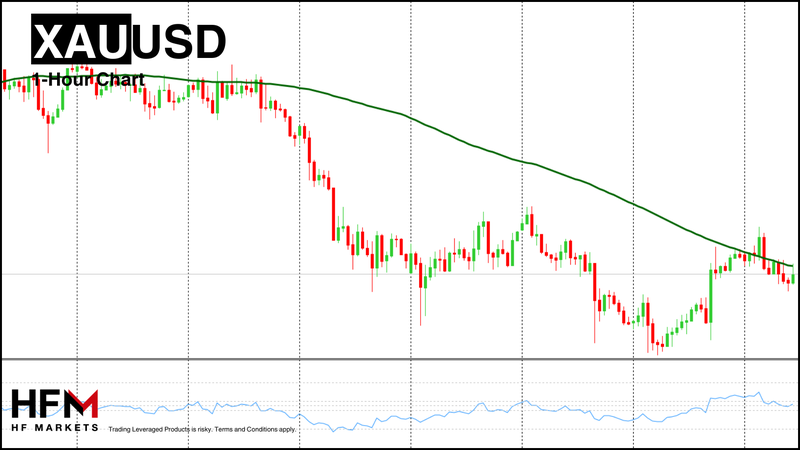
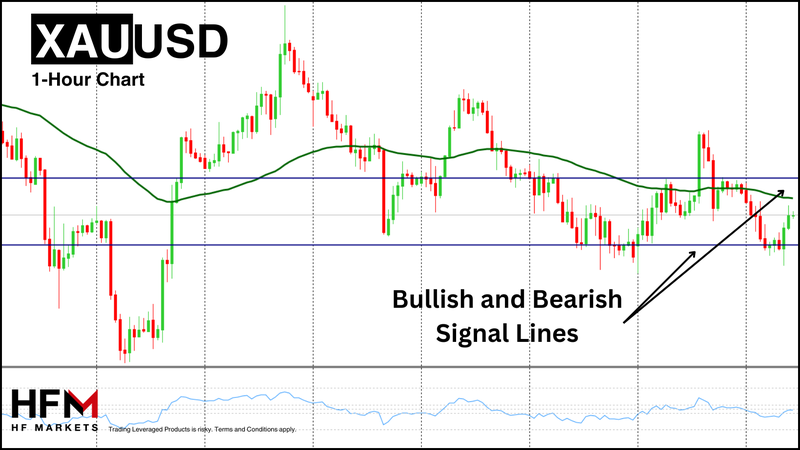
HFM - Gold 1-Hour Chart

HFM - Gold 1-Hour Chart

During this morning’s session, gold remained under short-term technical pressure despite a modest rebound from recent lows. XAU/USD continues to trade near the lower end of its recent range, with sellers still active after the previous sharp decline. The key area to watch is around $4,500, as a clear break below this level could open the door for further downside momentum.

On the upside, Gold would need to recover above the $4,575 price to signal a stronger corrective rebound. For now, the technical picture remains cautious, with momentum still fragile. Traders are closely watching whether safe-haven demand can offset pressure from a stronger US dollar and elevated yields.

  • Gold remains under pressure as the US Dollar strengthens and Fed expectations stay hawkish.
  • Middle East tensions continue to support safe-haven demand, but uncertainty remains high.
  • Prolonged disruption in the Strait of Hormuz could keep inflation elevated and pressure Fed policy.
  • XAU/USD remains technically cautious, with $4,500 as key support and $4,575 as resistance.
Always trade with strict risk management. Your capital is the single most important aspect of your trading business.

Please note that times displayed based on local time zone and are from time of writing this report.


Click HERE to access the full HFM Economic calendar.

Want to learn to trade and analyse the markets? Join our webinars and get analysis and trading ideas combined with better understanding of how markets work. Click HERE to register for FREE!

Click HERE to READ more Market news.

Michalis Efthymiou
HFMarkets

Disclaimer:
This material is provided as a general marketing communication for information purposes only and does not constitute an independent investment research. Nothing in this communication contains, or should be considered as containing, an investment advice or an investment recommendation or a solicitation for the purpose of buying or selling of any financial instrument. All information provided is gathered from reputable sources and any information containing an indication of past performance is not a guarantee or reliable indicator of future performance. Users acknowledge that any investment in Leveraged Products is characterized by a certain degree of uncertainty and that any investment of this nature involves a high level of risk for which the users are solely responsible and liable. We assume no liability for any loss arising from any investment made based on the information provided in this communication. This communication must not be reproduced or further distributed without our prior written permission.
 
Date: 11th May 2026.

AI, Inflation & Volatility: What Traders Should Watch This Week.


AI, Inflation & Volatility: What Traders Should Watch This Week

The market rally driven by semiconductor and AI-related stocks is no longer just a momentum story. It is now colliding directly with macroeconomic risks, inflation expectations, Federal Reserve policy uncertainty, and geopolitical tensions, creating one of the most important trading environments of 2026.

For traders, this week could determine whether the AI-fuelled rally continues pushing indices towards fresh highs, or whether markets finally experience a sharp correction after weeks of aggressive upside momentum.

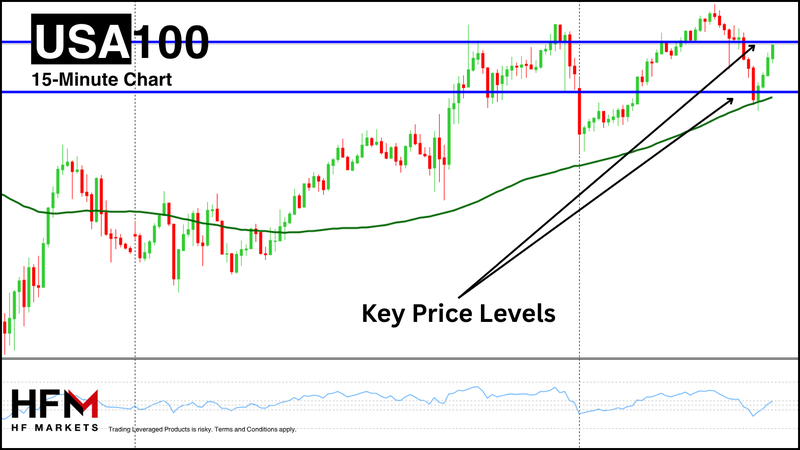
Semiconductor companies remain the strongest force behind the recent rally in the S&P 500 and Nasdaq Composite. Investors continue rotating heavily into AI infrastructure plays as demand expands beyond GPUs into CPUs, memory chips, networking systems, and AI server infrastructure.

The market is increasingly focused on the next stage of AI development: agentic AI.

Unlike traditional AI systems that mainly process requests, agentic AI performs autonomous tasks, makes decisions, and executes workflows with minimal human intervention. This transition is increasing demand for CPUs and inference-focused chips alongside traditional GPU infrastructure.

This explains why the semiconductor rally is broadening beyond Nvidia.

Stocks tied to AI servers, cloud infrastructure, data centres, memory chips, and enterprise AI integration are attracting increased institutional flows. AMD recently surged after forecasting stronger long-term CPU demand linked directly to agentic AI systems.

Despite inflation concerns, geopolitical risks, and elevated oil prices, US equities continue climbing towards record highs. Several factors are supporting the bullish momentum:

  • Strong corporate earnings
  • Massive AI-related capital expenditure
  • Expanding profit margins
  • Rising earnings forecasts
  • Expectations of future Fed rate cuts
  • Ongoing institutional demand for tech and semiconductor stocks
Analysts note that hyperscaler companies including Microsoft, Amazon, Meta, Google, and Oracle are dramatically increasing AI infrastructure spending, with projected 2026 data-centre investments potentially exceeding $750 billion.

The result is a market environment where AI optimism is currently outweighing macroeconomic fears.

However, traders should not ignore an important warning sign:

Market breadth remains weak.

A relatively small group of mega-cap technology and semiconductor stocks continues doing most of the heavy lifting for the broader indices. This concentration increases vulnerability if sentiment suddenly shifts.

This week contains several major catalysts capable of creating significant volatility across equities, forex, bonds, commodities, and crypto markets.

The biggest event this week is the US Consumer Price Index (CPI) report.

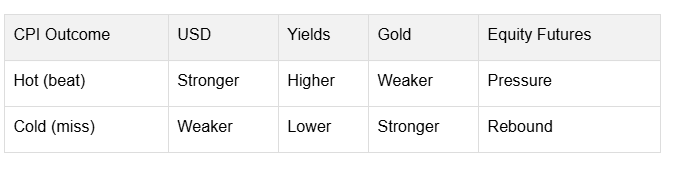
Markets are watching closely to determine whether recent energy price increases are starting to spill into broader inflation categories. A hotter-than-expected inflation reading could reduce expectations for future Fed rate cuts and pressure risk assets.

For traders, inflation data could heavily impact:

  • Nasdaq volatility
  • Semiconductor stocks
  • US dollar strength
  • Treasury yields
  • Gold prices
  • Crypto sentiment
If inflation comes in stronger than expected, traders may see:

  • Tech profit-taking
  • Higher bond yields
  • Stronger USD
  • Increased market volatility
If inflation cools:

  • AI stocks could extend gains
  • Rate-cut expectations may increase
  • Risk appetite could improve further
Markets are also focused on leadership changes at the Federal Reserve and shifting monetary policy expectations.

Traders are increasingly pricing in a potentially more accommodative Fed later this year, but policymakers remain cautious due to persistent inflation concerns.

This creates a highly sensitive environment where every inflation release, labour report, or Fed comment can rapidly shift market sentiment.

For forex traders especially, this week may generate volatility across:

  • EURUSD
  • USDJPY
  • GBPUSD
  • Gold
  • US indices
Several earnings reports this week could directly impact AI sentiment and semiconductor momentum, including:

  • Applied Materials
  • Cisco
  • Alibaba
  • Upcoming Nvidia earnings expectations
Markets will closely monitor:

  • AI spending guidance
  • Data-centre demand
  • Semiconductor orders
  • Enterprise AI adoption
  • CPU and GPU demand outlooks
Strong guidance could reinforce bullish momentum in tech and semiconductor stocks. Weak guidance, however, may trigger sector-wide profit-taking after the massive rally seen in recent weeks.

photo_2026-05-11_10-45-13


Although AI remains the dominant market theme, geopolitical tensions continue creating underlying risk.

Oil markets remain highly sensitive to developments in the Middle East and global energy supply concerns. Rising energy prices could reaccelerate inflation pressures and complicate the Fed’s policy outlook.

For traders, this means:

  • Energy volatility may remain elevated
  • Inflation-sensitive assets could react sharply
  • Risk sentiment may shift quickly on headlines
Markets may continue rallying if:

  • CPI inflation cools
  • Earnings remain strong
  • AI spending guidance stays aggressive
  • Bond yields stabilise
  • Fed rate-cut expectations increase
Under this scenario, semiconductor stocks could continue outperforming, with momentum traders likely targeting further upside in AI-linked equities.

Markets could face a correction if:

  • Inflation surprises higher
  • Bond yields spike
  • Earnings guidance disappoints
  • Geopolitical tensions escalate
  • Investors begin rotating out of overcrowded AI trades
Given how extended semiconductor stocks have become, traders should remain cautious of sudden volatility spikes and aggressive profit-taking.

From a technical analysis standpoint, many semiconductor and AI-related stocks remain in strong uptrends. However, momentum indicators across several major names are beginning to show signs of overextension after the recent parabolic moves.

Traders should monitor:

  • RSI divergence
  • Volume exhaustion
  • Gap-up reactions after earnings
  • Nasdaq resistance zones
  • Treasury yield movements
Risk management becomes especially important in high-momentum environments like the current one.

The AI revolution continues driving one of the strongest market themes in years, and semiconductor companies remain at the centre of this transformation.

However, this week introduces a critical test for the rally.

Inflation data, Federal Reserve expectations, earnings guidance, and geopolitical developments could all determine whether markets continue climbing or finally pause after weeks of aggressive gains.

For traders, the current environment offers major opportunities but also elevated risk.

Momentum remains strong, but volatility is likely to increase significantly around key economic releases and AI-related earnings announcements.

The next move in markets may depend on whether AI optimism can continue overpowering inflation fears and monetary policy uncertainty.

Always trade with strict risk management. Your capital is the single most important aspect of your trading business.

Please note that times displayed based on local time zone and are from time of writing this report.


Click HERE to access the full HFM Economic calendar.

Want to learn to trade and analyse the markets? Join our webinars and get analysis and trading ideas combined with better understanding of how markets work. Click HERE to register for FREE!

Click HERE to READ more Market news.

Andria Pichidi
HFMarkets

Disclaimer:
This material is provided as a general marketing communication for information purposes only and does not constitute an independent investment research. Nothing in this communication contains, or should be considered as containing, an investment advice or an investment recommendation or a solicitation for the purpose of buying or selling of any financial instrument. All information provided is gathered from reputable sources and any information containing an indication of past performance is not a guarantee or reliable indicator of future performance. Users acknowledge that any investment in Leveraged Products is characterized by a certain degree of uncertainty and that any investment of this nature involves a high level of risk for which the users are solely responsible and liable. We assume no liability for any loss arising from any investment made based on the information provided in this communication. This communication must not be reproduced or further distributed without our prior written permission.
 
Date: 12th May 2026.

AI Rally Faces Its Biggest Test as Inflation and Oil Risks Rise.


AI Rally Faces Its Biggest Test as Inflation and Oil Risks Rise

US stock futures traded lower Tuesday morning as traders prepared for one of the most important inflation reports of the year, while geopolitical tensions in the Middle East continued adding pressure across global markets.

Although the S&P 500 and Nasdaq recently climbed to fresh record highs, driven largely by semiconductor and AI-related stocks, investor sentiment is becoming increasingly cautious ahead of April’s Consumer Price Index (CPI) release and growing uncertainty surrounding the US-Iran conflict.

The combination of surging oil prices, inflation fears, Federal Reserve uncertainty, and aggressive AI-driven market momentum is creating a volatile environment across equities, forex, commodities, and crypto markets.

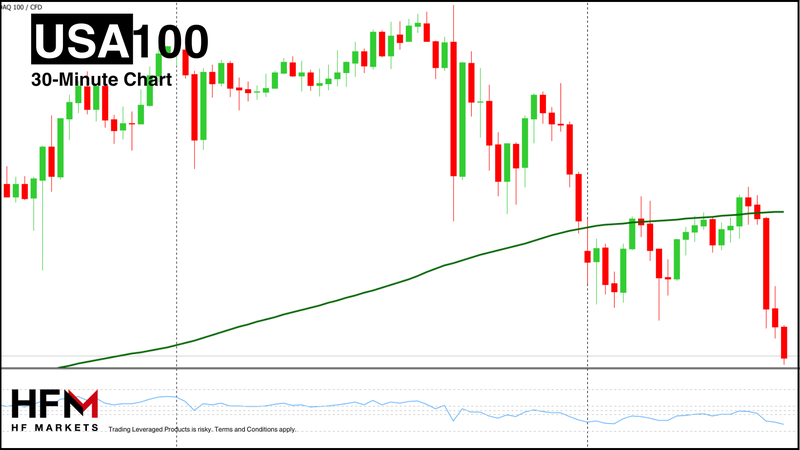
Wall Street futures edged lower in early trading, with Nasdaq futures underperforming as traders reduced risk exposure ahead of the CPI release.

Markets expect April inflation to rise by 3.7%, and investors are closely watching whether higher energy prices linked to the Middle East conflict are beginning to feed more aggressively into the broader economy.

The inflation report could significantly shape expectations for Federal Reserve policy during the second half of 2026, particularly after the stronger-than-expected US jobs report earlier this month reduced expectations for immediate rate cuts.

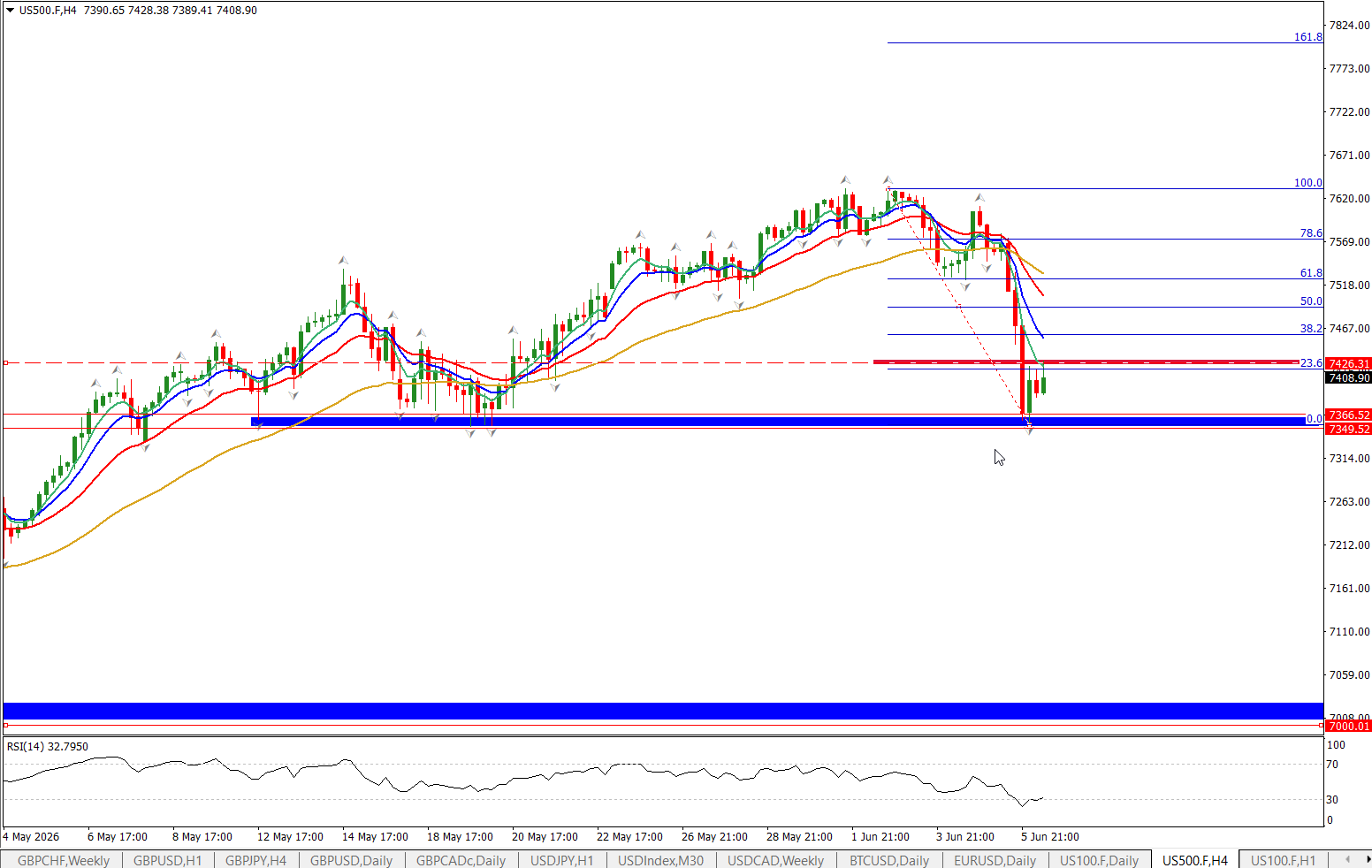
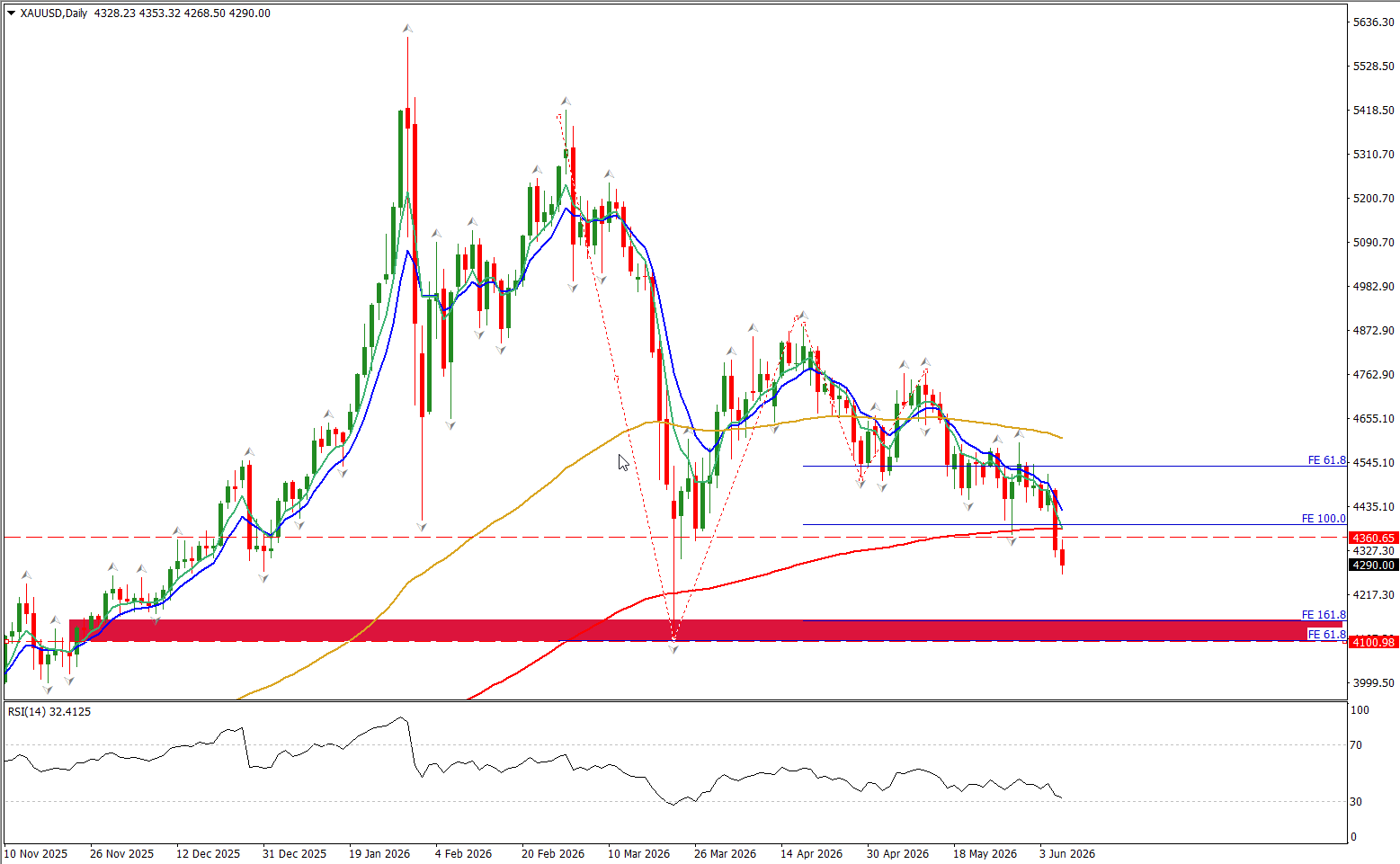
A hotter inflation reading may pressure technology stocks, strengthen the US dollar, and push Treasury yields higher. On the other hand, softer inflation data could reinforce bullish momentum across risk assets and revive expectations for future Fed easing.

Despite rising macroeconomic risks, the AI trade remains the dominant force behind the market rally.

Semiconductor stocks once again pushed the S&P 500 and Nasdaq to record highs on Monday as investors continued rotating aggressively into artificial intelligence infrastructure plays.

The market narrative is also evolving beyond GPUs.

While Nvidia initially became the symbol of the AI boom through GPU dominance, investors are increasingly shifting focus towards CPUs and broader AI infrastructure as agentic AI systems expand globally. These next-generation AI systems require greater real-time processing power, enterprise integration, and data-centre capacity, broadening the number of companies benefiting from AI demand.

Asian markets also reflected this strength, with Japan’s Nikkei and South Korea’s Kospi climbing higher on the back of strong technology sentiment.

For traders, semiconductor momentum continues acting as one of the clearest indicators of overall market risk appetite.

At the same time, oil markets are becoming a growing source of instability.

Brent crude climbed above $104 per barrel while WTI crude approached $99 after President Donald Trump rejected Iran’s latest peace proposal and described the ceasefire agreement as being on ‘massive life support’.

The ongoing tensions surrounding the Strait of Hormuz continue disrupting crude and fuel flows, increasing fears of supply shortages and broader economic fallout.

Higher energy prices are already beginning to affect consumers. US gasoline prices recently climbed to a national average of $4.51 per gallon, intensifying concerns that energy-driven inflation may complicate the Federal Reserve’s policy outlook.

For traders, rising oil prices now represent one of the most important macro risks facing markets this week.

Current market conditions reflect a battle between powerful bullish and bearish forces.

On one side, massive AI investment, semiconductor demand, strong technology earnings, and institutional positioning continue supporting equities.

On the other, rising oil prices, inflation fears, geopolitical tensions, and uncertainty surrounding future interest rates are creating growing downside risks.

This leaves markets highly sensitive to economic data and geopolitical headlines, with sentiment capable of shifting rapidly.

Investors are also closely monitoring President Trump’s visit to China, where he is expected to meet President Xi Jinping.

Trade policy, artificial intelligence, semiconductor supply chains, and technology competition are expected to dominate discussions between the two leaders.

The meeting could carry major implications for global technology markets, particularly as both countries continue competing for leadership in AI infrastructure and semiconductor development.

Currency markets are also seeing elevated volatility.

Japan confirmed ongoing coordination with the US Treasury regarding exchange-rate volatility after repeated interventions to support the yen. Despite Japan’s reported multibillion-dollar intervention efforts, the yen weakened back towards key levels that traders believe could trigger additional action from authorities.

At the same time, speculation surrounding a potential Bank of Japan rate hike continues increasing as Japanese bond yields climb to multi-decade highs.

For forex traders, USD/JPY remains one of the most closely watched currency pairs this week.

Industrial metals have also remained resilient despite geopolitical uncertainty.

Copper traded near record highs after a strong rally earlier this week, supported by continued Chinese demand and concerns surrounding global supply disruptions. Zinc and silver also posted strong gains as traders reacted to supply risks and inflation concerns.


2026-05-12 10_44_52-NVIDIA GeForce Overlay


The strength in commodities reflects ongoing concerns that geopolitical tensions and energy disruptions could continue feeding inflation pressures globally.

Several key catalysts could determine the next move across financial markets.

The US CPI report remains the primary focus, followed by producer inflation data later in the week. Traders will also closely monitor developments surrounding the Trump-Xi meeting, Middle East tensions, oil price movements, and upcoming earnings reports from major technology and semiconductor companies, including Applied Materials, Cisco, and Alibaba.

Markets will pay particular attention to AI spending guidance and semiconductor demand outlooks, which may determine whether the technology rally can continue extending higher.

The AI-driven market rally remains remarkably strong, but the environment is becoming increasingly fragile.

Rising oil prices, inflation fears, geopolitical uncertainty, and shifting Federal Reserve expectations are beginning to challenge bullish momentum across global markets.

For traders, this week may become a major turning point.

If inflation data remains under control and AI optimism continues dominating sentiment, equities may continue climbing towards new highs. However, any signs that higher energy prices are feeding broader inflation pressures could quickly trigger increased volatility and profit-taking across risk assets.

The balance between AI-driven optimism and macroeconomic risk will likely determine the next major move in markets.

Always trade with strict risk management. Your capital is the single most important aspect of your trading business.

Please note that times displayed based on local time zone and are from time of writing this report.


Click HERE to access the full HFM Economic calendar.

Want to learn to trade and analyse the markets? Join our webinars and get analysis and trading ideas combined with better understanding of how markets work. Click HERE to register for FREE!

Click HERE to READ more Market news.

Andria Pichidi
HFMarkets

Disclaimer:
This material is provided as a general marketing communication for information purposes only and does not constitute an independent investment research. Nothing in this communication contains, or should be considered as containing, an investment advice or an investment recommendation or a solicitation for the purpose of buying or selling of any financial instrument. All information provided is gathered from reputable sources and any information containing an indication of past performance is not a guarantee or reliable indicator of future performance. Users acknowledge that any investment in Leveraged Products is characterized by a certain degree of uncertainty and that any investment of this nature involves a high level of risk for which the users are solely responsible and liable. We assume no liability for any loss arising from any investment made based on the information provided in this communication. This communication must not be reproduced or further distributed without our prior written permission.
 
Date: 14th May 2026.

AI Rally Meets Inflation Fears: Key Market Moves Traders Need to Watch.


AI Rally Meets Inflation Fears: Key Market Moves Traders Need to Watch

Global markets entered Thursday’s trading session with investors balancing two powerful forces: unstoppable enthusiasm surrounding artificial intelligence and growing concerns that inflation may keep central banks restrictive for longer.

Equity markets across Asia and the United States remained supported by the AI-driven rally that has dominated financial markets throughout 2026. However, underneath the surface, traders are increasingly cautious as rising oil prices, stronger inflation data, and geopolitical uncertainty threaten to complicate the outlook.

At the centre of market attention was the highly anticipated meeting between US President Donald Trump and Chinese President Xi Jinping. While investors hoped for progress on trade and geopolitical tensions, markets largely treated the summit as a “no negative surprises” event rather than a catalyst for major breakthroughs.

For traders, the session highlighted an important market theme currently shaping nearly every asset class:

Risk appetite remains strong, but inflation and geopolitical risks continue to limit aggressive bullish positioning.

The European session was dominated by stronger-than-expected UK GDP data.

The report surprised to the upside across most metrics, showing that the British economy remained resilient before the recent escalation in Middle East tensions and the ongoing US-Iran conflict.

The stronger growth figures reinforced expectations that the Bank of England may need to keep monetary policy tighter for longer, especially as inflation risks remain elevated globally.

Sterling initially found support following the release, although broader political uncertainty in the UK limited gains later in the session.

The stronger GDP figures reinforced the view that the Bank of England may not rush towards easing, while political uncertainty continues to keep GBP volatility elevated.

Looking ahead in Europe, traders are monitoring the Spanish Final CPI release, although expectations are that the data will not materially alter the European Central Bank’s policy outlook.

As a result, any market reaction is likely to remain muted unless inflation surprises significantly.

The US session shifts attention towards two major economic releases:

  • US Retail Sales
  • US Jobless Claims
Retail Sales provide insight into the health of the American consumer, which remains the backbone of the US economy.

Market expectations are pointing towards slower growth compared to the previous month:

  • Retail Sales M/M expected at 0.5% vs 1.7% prior
  • Core Retail Sales ex-Autos expected at 0.6% vs 1.9% prior
  • Retail Control Group expected at 0.4% vs 0.7% prior
Although Retail Sales is a major market-moving release, its impact is often temporary unless the numbers significantly surprise expectations.

Still, the numbers could influence:

  • US dollar direction
  • Treasury yields
  • Short-term Fed rate expectations
  • Equity market sentiment
A stronger-than-expected report could further reinforce the narrative that the US economy remains resilient despite elevated interest rates.

That would likely support the dollar and potentially pressure risk assets if yields rise further.

Alongside Retail Sales, traders are closely monitoring Initial and Continuing Jobless Claims.

Forecasts currently show:

  • Initial Claims expected at 205K vs 200K prior
  • Continuing Claims expected at 1.780M vs 1.766M prior
The labour market continues to display remarkable resilience.

Initial Claims remain near cycle lows, while Continuing Claims have steadily declined towards levels not seen since 2024. The combination of resilient employment conditions and sticky inflation continues to reduce pressure on the Federal Reserve to cut rates anytime soon.

One of the biggest themes driving markets this week has been the return of inflation concerns.

Recent US CPI and PPI data both came in hotter than expected, reinforcing fears that inflation may not cool fast enough for the Federal Reserve to pivot towards aggressive easing.

US producer prices posted their strongest increase since early 2022, while annual consumer inflation accelerated at its fastest pace in three years.

The result has been:

  • Rising Treasury yields
  • Stronger US dollar demand
  • Reduced expectations for Fed rate cuts
  • Increasing speculation about future hikes
Market pricing now reflects growing expectations that the Fed could remain restrictive well into 2027.

Higher Treasury yields are becoming increasingly important for traders because they can pressure growth-focused assets while supporting defensive positioning and commodity demand.

Despite inflation concerns, technology stocks continue to dominate market momentum.

The Nasdaq and S&P 500 both reached fresh record highs as investors maintained strong exposure to AI-related companies.

Asian markets also reflected the AI boom:

  • Japan’s Nikkei reached new all-time highs
  • South Korea’s KOSPI remained supported by semiconductor demand
  • AI-related companies continued to outperform broader markets
One of the standout stories came from SK Hynix, which is reportedly approaching a $1 trillion market valuation after a massive rally this year.

The ongoing AI frenzy has created a market environment where investors continue buying growth despite rising yields and geopolitical uncertainty.

Still, the strength of the AI rally means markets could become more vulnerable to disappointment if earnings slow, economic data weakens, or geopolitical tensions intensify.

Another major market focus was the summit between Donald Trump and Xi Jinping.

Investors entered the meeting with relatively low expectations, meaning markets were primarily looking for stability rather than transformational agreements.

Early headlines suggested:

  • Trade discussions are continuing
  • Both sides want to avoid major escalation
  • Taiwan remains a key geopolitical risk
  • Possible tariff adjustments may be discussed
Even without major breakthroughs, markets viewed the absence of fresh escalation as supportive for risk sentiment.

Meanwhile, reports suggesting that the US and China may explore limited tariff reductions on selected goods helped support sentiment towards the Chinese yuan.

The yuan climbed to its strongest levels in roughly three years, while Chinese equities experienced some profit-taking after a powerful AI-driven rally in recent weeks.

Technology stocks led declines in China as traders locked in gains ahead of clearer details from the summit.

Crude oil remains one of the most important variables for global markets.

The ongoing conflict involving Iran and tensions surrounding the Strait of Hormuz continue to keep energy markets under pressure.

Brent crude traded above $105 per barrel, while WTI crude remained above $100.

Elevated energy prices continue to feed inflation concerns, increase production costs, and complicate the outlook for central banks considering future rate cuts.

As long as oil prices remain elevated, inflation expectations are unlikely to decline meaningfully.

This creates a difficult environment for central banks attempting to balance slowing growth with persistent price pressures.


2026-05-14 12_32_36-41023261_ HFMarketsSV-Demo Server - HF Markets (SV) Ltd. - [USDIndex,M30]


The US dollar remained supported by:

  • Higher Treasury yields
  • Hawkish Fed expectations
  • Strong labour market data
  • Inflation concerns
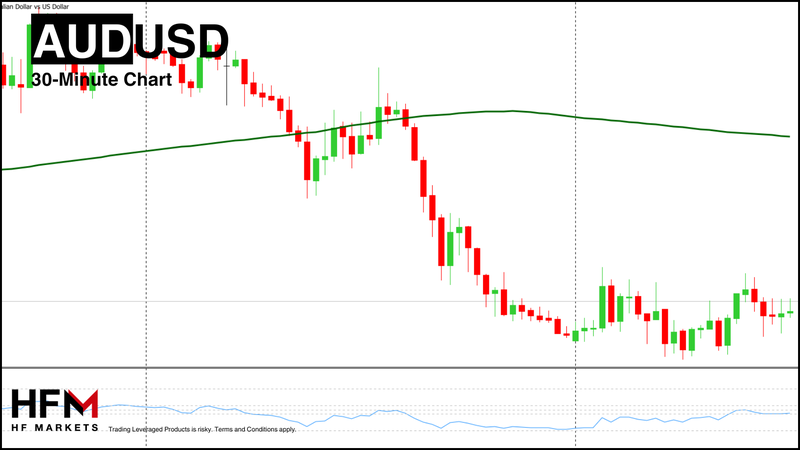
The Dollar Index continued to strengthen as traders reduced expectations for near-term easing.

Euro: The euro weakened modestly against the dollar as markets focused on diverging monetary policy expectations between the ECB and the Fed.

British Pound: Sterling initially gained after strong UK GDP data but later faced pressure from political uncertainty.

Japanese Yen: The yen remained under pressure near intervention-sensitive levels around 158 against the dollar. Traders remain alert for potential intervention from Japanese authorities if volatility accelerates.

Chinese Yuan: The yuan strengthened significantly, reaching multi-year highs amid optimism surrounding the Trump-Xi summit and expectations for trade stability.

Several central bank officials are scheduled to speak throughout the day, increasing the potential for volatility across forex and bond markets.

Key speakers include:

  • ECB President Christine Lagarde
  • Fed’s Schmid
  • BoE’s Pill
  • Fed’s Hammack
  • Fed’s Barr
  • Fed’s Williams
Given the market’s sensitivity to inflation and rate expectations, traders will closely watch for:

  • Any shift towards a more hawkish stance
  • Comments on inflation persistence
  • Labour market concerns
  • Rate path guidance
Even subtle changes in tone could move currencies, yields, and equities sharply.

Several themes are likely to remain at the centre of market attention in the coming sessions:

  • Inflation data and Treasury yields
  • AI-driven momentum in equity markets
  • Developments from the Trump-Xi summit
  • Central bank commentary and rate expectations
  • Oil price volatility linked to Middle East tensions
Financial markets are currently navigating a complex environment where optimism and caution coexist.

On one side, the AI boom continues driving equity markets to record highs, supported by strong corporate earnings and resilient economic data.

On the other side, rising oil prices, persistent inflation, and geopolitical uncertainty continue to threaten the outlook.

For traders, this means volatility opportunities are likely to remain elevated across:

  • Forex markets
  • Equity indices
  • Commodities
  • Bond markets
As the US session unfolds, Retail Sales data, Jobless Claims, and central bank commentary could become the next major catalysts shaping short-term market direction.

In the current environment, staying flexible and closely monitoring macroeconomic developments remains essential.

Always trade with strict risk management. Your capital is the single most important aspect of your trading business.

Please note that times displayed based on local time zone and are from time of writing this report.


Click HERE to access the full HFM Economic calendar.

Want to learn to trade and analyse the markets? Join our webinars and get analysis and trading ideas combined with better understanding of how markets work. Click HERE to register for FREE!

Click HERE to READ more Market news.

Andria Pichidi
HFMarkets

Disclaimer:
This material is provided as a general marketing communication for information purposes only and does not constitute an independent investment research. Nothing in this communication contains, or should be considered as containing, an investment advice or an investment recommendation or a solicitation for the purpose of buying or selling of any financial instrument. All information provided is gathered from reputable sources and any information containing an indication of past performance is not a guarantee or reliable indicator of future performance. Users acknowledge that any investment in Leveraged Products is characterized by a certain degree of uncertainty and that any investment of this nature involves a high level of risk for which the users are solely responsible and liable. We assume no liability for any loss arising from any investment made based on the information provided in this communication. This communication must not be reproduced or further distributed without our prior written permission.
 
Back
Top Bottom